 Polski
  English
  简体中文
简体中文  Deutsch
  Español
  Français
  Italiano
  日本語
日本語  한국어
한국어  Português
  Русский
  Türkçe
  Nederlands
  ไทย
ไทย  Tiếng Việt
Nowoczesne środowiska biurowe szybko ewoluują, ale jedno wyzwanie wciąż rośnie wraz z układami na otwartym planie: niekontrolowany hałas. Podczas usuwania ścian poprawia współpracę, ale także powoduje ciągłe rozpraszanie uwagi, które zmniejszają koncentrację, przerywają komunikację i wpływają na ogólną produktywność.
Jednocześnie oświetlenie nie polega już tylko na oświetleniu. Odgrywa kluczową rolę w komforcie, przejrzystości wizualnej oraz na to, jak przestrzeń robocza czuje się i działa na co dzień. Oddzielne zarządzanie oświetleniem i akustyką często prowadzi do większej złożoności, wyższych kosztów i zagraconych projektów sufitowych.
Oświetlenie pochłaniające dźwięk to praktyczne rozwiązanie, łącząc obie funkcje w jeden system. Poprawia kontrolę dźwięku, zapewniając jednocześnie wydajne, dobrze rozłożone oświetlenie, co ułatwia projektowanie wysokowydajnych przestrzeni biurowych.
W tym artykule wyjaśniono, jak działa oświetlenie akustyczne, materiały i technologie, które za nim stoją, dostępne różne typy produktów oraz jak wybrać odpowiednie rozwiązanie dla nowoczesnych środowisk biurowych.
szybka odpowiedź
Oświetlenie akustyczne to zintegrowany system, który łączy oświetlenie LED z materiałami pochłaniającymi dźwięk, takimi jak filc PET. Zapewnia zarówno oświetlenie, jak i redukcję hałasu w jednym oprawie, dzięki czemu idealnie nadaje się do biur na planie otwartym, gdzie komfort, ostrość i wydajność przestrzeni są kluczowe.
Wielu użytkowników szukających biura projektowania zadaje w rzeczywistości praktyczne pytania, takie jak:
- Jak zmniejszyć hałas w biurach na planie otwartym?
- Jakie jest najlepsze rozwiązanie oświetlenia pochłaniającego dźwięk?
- Czy oprawy oświetleniowe mogą poprawić akustykę biurową?
Zamiast korzystać z wielu oddzielnych systemów, oświetlenie akustyczne zapewnia bardziej wydajne rozwiązanie, łącząc kontrolę oświetlenia i hałasu w jeden zintegrowany system.
Kluczowe na wynos
- Łączy oświetlenie i absorpcję akustyczną w jeden system
- Zmniejsza szumy o średniej do wysokiej częstotliwości (mowa, pisanie, rozmowy)
- Używa filcu PET z NRC do 0,9 dla skutecznej kontroli dźwięku
- Poprawia produktywność w miejscu pracy i zmniejsza rozpraszanie uwagi
- Minimalizuje bałagan w suficie w porównaniu z oddzielnymi systemami
- Wspiera nowoczesną estetykę architektoniczną i wnętrza wnętrza
- Skraca czas instalacji i ogólny koszt projektu
Jak zmniejszyć hałas w biurach na planie otwartym

Redukcja hałasu w biurach na planie otwartym jest jednym z największych wyzwań w nowoczesnym projektowaniu miejsca pracy. Bez odpowiedniej kontroli akustycznej dźwięk rozprzestrzenia się po przestrzeni, tworząc ciągłe rozpraszacze.
Typowe rozwiązania obejmują:
- Akustyczne panele ścienne
- Przegrody sufitowe
- partycje
- Systemy maskowania dźwięku
Jednak rozwiązania te są zwykle instalowane oddzielnie od oświetlenia, co zwiększa złożoność i wpływa na spójność projektu.
Bardziej praktycznym podejściem jest zastosowanie dźwięków pochłaniających dźwięki, które łączą obie funkcje.
Dlatego wielu projektantów preferuje obecnie biurowe systemy oświetlenia akustycznego, a nie poleganie tylko na tradycyjnych zabiegach akustycznych. Upraszcza projektowanie, jednocześnie rozwiązując zarówno wyzwania związane z oświetleniem, jak i hałasem w jednym systemie.
Wyzwanie biur na planie otwartym
Biura na planie otwartym mają na celu poprawę współpracy, komunikacji i wydajności przestrzeni. Jednak usunięcie barier fizycznych usuwa również kontrolę dźwięku. W rezultacie hałas rozprzestrzenia się swobodnie w przestrzeni roboczej, tworząc środowisko, w którym rozpraszanie jest stałe, a nie okazjonalne.
W tych układach dźwięk nie jest pochłaniany, ale odbijany. Twarde powierzchnie, takie jak szklane przegrody, betonowe sufity i metalowe oprawy, wydłużają czas pogłosu, powodując hałas dłużej niż powinien. Oznacza to, że nawet małe dźwięki stają się zauważalne i powtarzalne z czasem.
Problem nie polega tylko na tym, jak głośny jest hałas, ale jak często występuje i jak długo pozostaje w przestrzeni. Hałas biurowy zazwyczaj mieści się w średnich lub wysokich częstotliwościach, które są najbardziej zakłócające koncentrację człowieka.
Wspólne źródła hałasu i ich wpływ
| Źródło hałasu | Zakres częstotliwości (Hz) | Typowy poziom (db) | Wpływ na wydajność pracy |
| Mowa ludzka | 500 – 4000 Hz | 55 – 65 dB | Duże rozproszenie, zmniejsza koncentrację |
| Rozmowy telefoniczne | 300 – 3400 Hz | 60 – 70 dB | Przerywanie koncentracji |
| pisanie klawiatury | 1000 – 3000 Hz | 40 – 50 dB | Ciągły szum tła |
| sprzęt biurowy | 200 – 2000 Hz | 45 – 60 dB | Dodaje do hałasu otoczenia |
| Systemy HVAC | 100 – 500 Hz | 35 – 50 dB | Zmęczenie o niskiej częstotliwości |
To pokazuje, że większość hałasu biurowego pokrywa się z częstotliwościami mowy ludzkiej, co sprawia, że nawet umiarkowany poziom hałasu jest bardzo rozpraszający w codziennym środowisku pracy.
Dlaczego hałas staje się problemem z wydajnością
W typowym otwartym biurze:
- Poziomy hałasu w tle często pozostają między 45–55 dB
- Szczytowy szum może osiągnąć 65–70 dB w godzinach aktywnych
- Zalecany poziom do pracy skoncentrowanej to poniżej 40–45 dB
Ta luka bezpośrednio wpływa na produktywność. Badania w akustyce pracy pokazują, że ciągłe narażenie na hałas mowy może zmniejszyć wydajność zadań przez 20–30%, zwłaszcza w rolach wymagających koncentracji, analizy lub szczegółowej pracy.
Problemem są nie tylko głośne dźwięki, ale powtarzające się przerwy. Nawet krótkie rozproszenia zmuszają mózg do zresetowania ostrości, zwiększając obciążenie poznawcze i zmniejszając wydajność z czasem.
Ograniczenia tradycyjnych rozwiązań akustycznych
Tradycyjne rozwiązania, takie jak panele ścienne, przegrody sufitowe lub przegrody, mogą zmniejszyć hałas, ale mają praktyczne ograniczenia:
- Wymagają dodatkowej instalacji oddzielonej od systemów oświetleniowych
- Zajmują cenną przestrzeń na ścianie lub suficie
- Zwiększają złożoność projektowania w dużych projektach
- Nie przyczyniają się do oświetlenia
Z tego powodu projektanci często stają przed kompromisem między kontrolą akustyczną, układem oświetlenia i wizualną prostotą.
W tym miejscu zintegrowane rozwiązania, takie jak oświetlenie akustyczne, stają się bardziej efektywne, ponieważ odnoszą się zarówno do dźwięku, jak i oświetlenia bez dodawania dodatkowych elementów do przestrzeni.
Co to jest oświetlenie akustyczne?
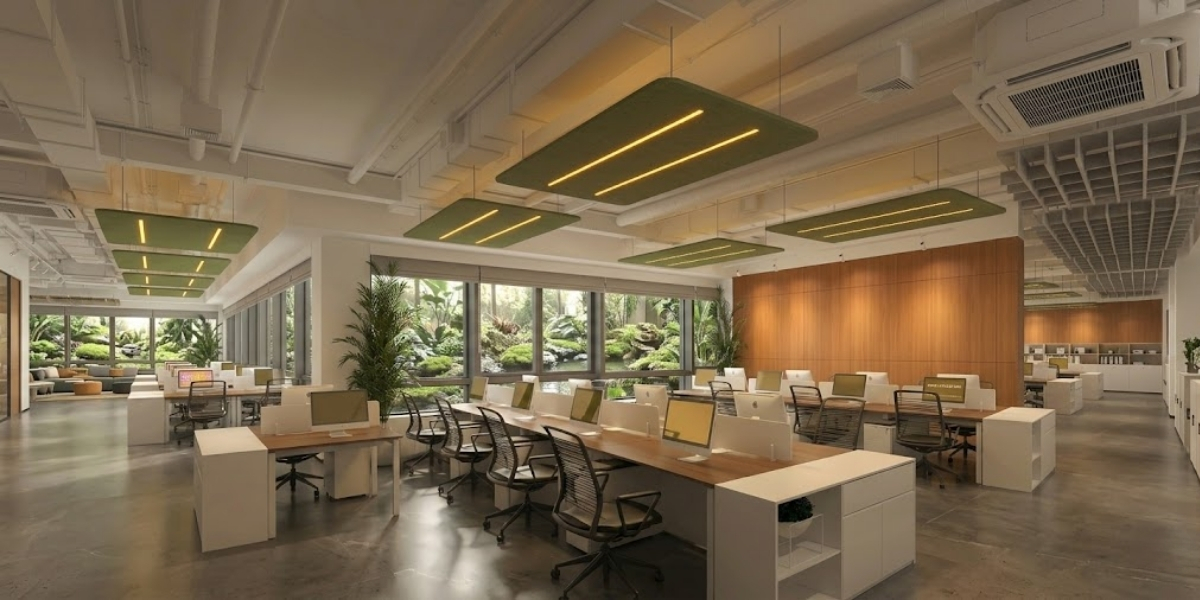
Oświetlenie akustyczne to zintegrowany system, który łączy oświetlenie LED z materiałami pochłaniającymi dźwięk, zazwyczaj filcem PET. Zamiast instalować oddzielne oprawy oświetleniowe i panele akustyczne, obie funkcje są wbudowane w jeden produkt, co pozwala projektantom na jednoczesne rozwiązywanie dwóch wyzwań wydajnościowych.
W jego rdzeniu oświetlenie akustyczne działa poprzez połączenie źródła światła z materiałem zaprojektowanym do pochłaniania dźwięku. Najczęściej używanym materiałem jest filc PET (włókno politereftalanu etylenu), który ma porowatą strukturę, która wychwytuje fale dźwiękowe i zmniejsza ich odbicie w przestrzeni.
Kiedy fale dźwiękowe uderzają w twarde powierzchnie, takie jak beton lub szkło, odbijają się z powrotem do pomieszczenia, zwiększając pogłos. Zwierzak zachowuje się inaczej. Pochłania część energii dźwięku i rozprasza ją jako minimalne ciepło na poziomie mikroskopowym. Zmniejsza to echo, obniża szum tła i poprawia przejrzystość mowy.
Z punktu widzenia oświetlenia zintegrowane moduły LED zapewniają spójne oświetlenie przy zachowaniu efektywności energetycznej i długiej żywotności. Dzięki temu oświetlenie akustyczne nadaje się do środowisk, w których wymagany jest zarówno komfort wizualny, jak i kontrola akustyczna.
Produkty oświetleniowe akustyczne są powszechnie dostępne jako akustyczne lampy wiszące, panele i systemy podwieszane przeznaczone do środowisk biurowych.
| parametr | Typowy zakres | Wpływ na rzeczywisty świat |
| osobisty | Filc PET (poliester z recyklingu) | Pochłania dźwięk, redukuje echo |
| NRC (współczynnik redukcji szumów) | 0,65 – 0,95 | Do 95% pochłanianie dźwięku (średnio-wysokie częstotliwości) |
| zmierzwić | 9 – 24 mm | Wyższa grubość poprawia wchłanianie |
| Wydajność LED | 90 – 130 lm/W | Niższe zużycie energii |
| Temperatura barwowa | 3000K / 4000K / 5000K | Obsługuje różne środowiska pracy |
| długość życia | 40 000 – 50 000 godzin | Długoterminowa niezawodność |
Wartości te pokazują, w jaki sposób systemy oświetlenia akustycznego łączą pochłanianie dźwięku i wydajność oświetlenia, dzięki czemu są odpowiednie do rzeczywistych środowisk biurowych.
Oświetlenie akustyczne jest najbardziej skuteczne w kontrolowaniu Szum o średniej do wysokiej częstotliwości (500–4000 Hz), który obejmuje mowy, pisanie i aktywność biurową. Jest to zakres częstotliwości, który najbardziej bezpośrednio wpływa na koncentrację i komunikację w miejscach pracy.
W praktyce systemy te są również znane jako akustyczne oprawy oświetleniowe lub oświetlenie wiszące akustyczne, zwłaszcza w komercyjnych projektach biurowych, w których wymagana jest zarówno wydajność oświetlenia, jak i kontrola hałasu.
Dlaczego oświetlenie akustyczne ma znaczenie w nowoczesnych przestrzeniach roboczych
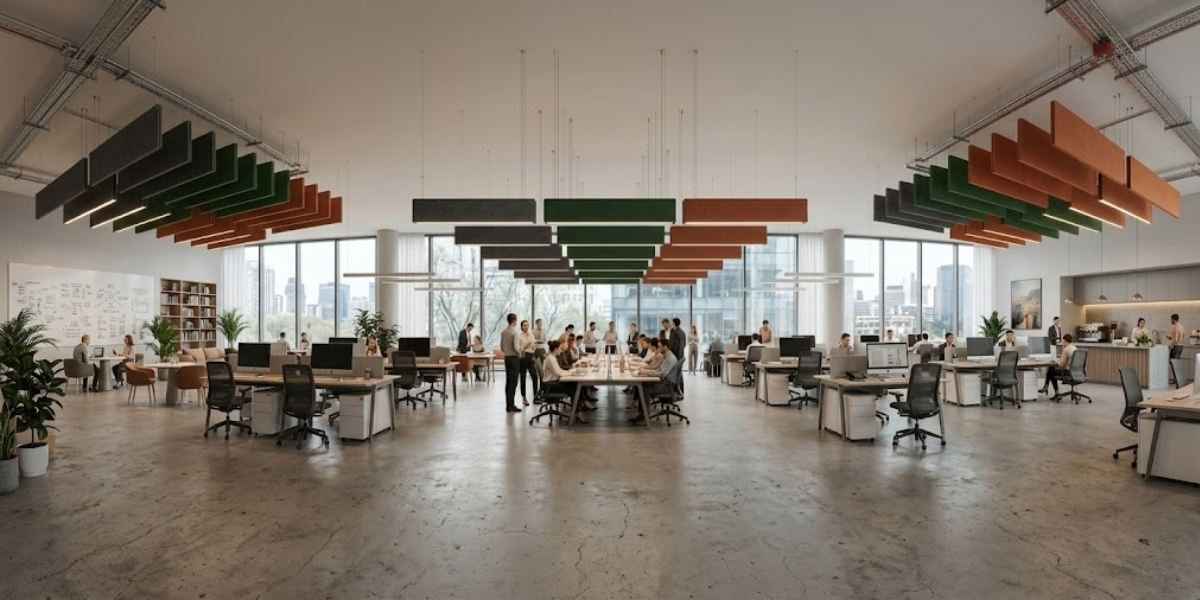
Nowoczesny projekt biura nie koncentruje się już tylko na wyglądzie. Musi wspierać produktywność, komfort i efektywne wykorzystanie przestrzeni. W środowiskach na otwartym planie największy wpływ na wydajność mają dwa czynniki: jakość oświetlenia i kontrola hałasu.
Gdy te dwa systemy są projektowane oddzielnie, często prowadzi to do zwiększonej złożoności instalacji i nieefektywnego wykorzystania przestrzeni sufitowej. Oświetlenie akustyczne rozwiązuje to, łącząc obie funkcje w jedno rozwiązanie.
Zamiast dodawać oddzielne panele akustyczne po instalacji oświetlenia, projektanci mogą zintegrować pochłanianie dźwięku bezpośrednio z układem oświetlenia. Zmniejsza to konflikty projektowe i poprawia ogólną wydajność systemu.
Wpływ na wydajność w środowiskach biurowych
| pośrednik | Bez oświetlenia akustycznego | z oświetleniem akustycznym |
| Poziom hałasu w tle | 50–65 dB | zmniejszona o 5-15 dB |
| Przejrzystość | Niski (echa obecne) | Ulepszony (zmniejszony pogłos) |
| Użycie sufitu | Wysoki (wielokrotne systemy) | Zoptymalizowany (pojedynczy system) |
| Czas instalacji | Dłuższy (praca wielokrotnego handlu) | Zmniejszone (system zintegrowany) |
| alimenty | Oddzielne systemy | Unified System |
W dużych projektach komercyjnych połączenie dwóch systemów w jeden nie tylko skraca czas instalacji, ale także upraszcza długotrwałą konserwację, czyniąc oświetlenie akustyczne bardziej wydajnym i skalowalnym rozwiązaniem.
zmniejszenie nawet 5–10 dB w postrzeganym hałasie Może znacznie poprawić komfort i zmniejszyć poziom rozproszenia. W środowiskach opartych na zadaniach bezpośrednio obsługuje to lepszą koncentrację i mniej przerw.
Kolejnym ważnym czynnikiem jest spójność wizualna. Biura z wieloma elementami sufitowymi często wyglądają na zagracone i nieustrukturyzowane. Oświetlenie akustyczne tworzy czystszy układ sufitu, co poprawia zarówno estetykę, jak i organizację przestrzenną.
Jest to szczególnie cenne w projektach komercyjnych na dużą skalę, w których wydajność, kontrola kosztów i długoterminowe wyniki mają kluczowe znaczenie.
Oświetlenie akustyczne a tradycyjne panele akustyczne
Podczas projektowania akustyki biurowej częstym pytaniem jest, czy używać oświetlenia akustycznego, czy tradycyjnych paneli akustycznych.
| uwydatnia | Oświetlenie akustyczne | Panele tradycyjne |
| obowiązek | Oświetlenie + pochłanianie dźwięk | Tylko pochłanianie dźwięku |
| montaż | Pojedynczy system | Oddzielne systemy |
| Przestrzeń sufitowa | optymalny | Potrzeba więcej miejsca |
| cel | Czyste i zintegrowane | Wiele elementów |
| alimenty | nie | Oddzielna konserwacja |
Tradycyjne panele redukują hałas, ale nie zapewniają oświetlenia. Oznacza to, że wymagane są dodatkowe oprawy, co zwiększa złożoność.
Oprawy akustyczne rozwiązują oba problemy jednocześnie, czyniąc je bardziej wydajnym rozwiązaniem dla nowoczesnych środowisk biurowych.
W przypadku nowoczesnych projektów biurowych to zintegrowane podejście nie tylko poprawia wydajność, ale także upraszcza podejmowanie decyzji podczas planowania i realizacji.
1 + 1 > 2 — moc zintegrowanego projektowania
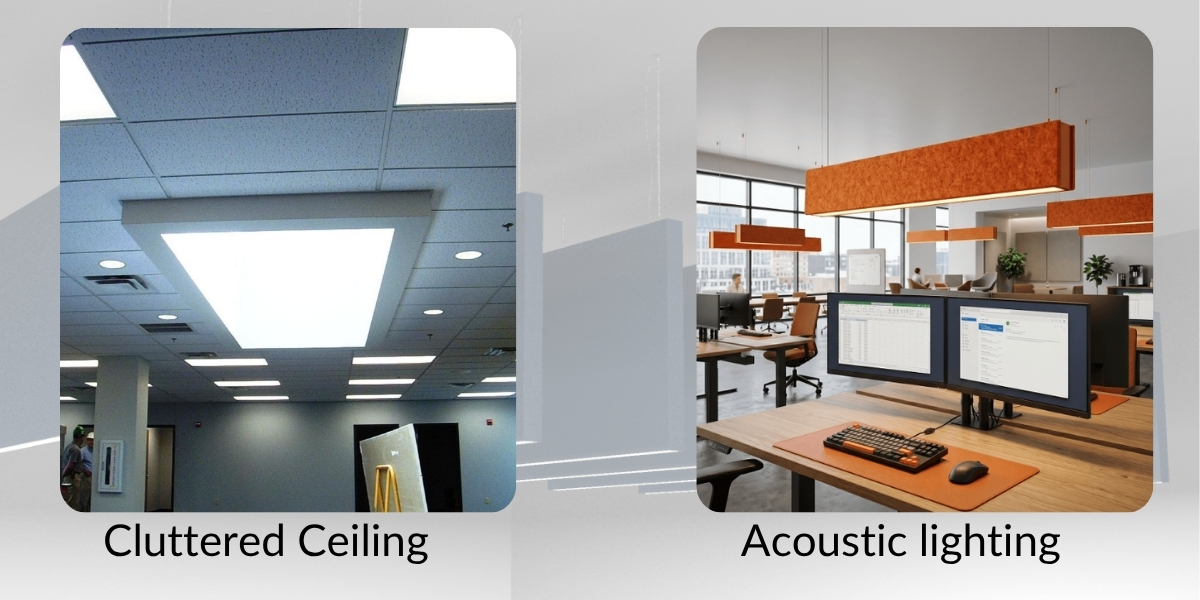
Połączenie oświetlenia i kontroli akustycznej w jeden system nie tylko upraszcza instalację. Tworzy bardziej wydajną i zrównoważoną przestrzeń roboczą, w której zarówno warunki wizualne, jak i akustyczne są optymalne razem.
W tradycyjnych projektach oświetlenie i elementy akustyczne rywalizują o przestrzeń. Często prowadzi to do kompromisów w układzie, nierównomiernym rozkładzie i zwiększonym przeciążeniu w pułapach. Zintegrowane systemy usuwają ten konflikt, dopasowując obie funkcje w tych samych ramach projektowych.
Rezultatem jest nie tylko mniej komponentów, ale lepsza ogólna wydajność.
Zintegrowane korzyści systemowe
| Aspekt projektowy | Tradycyjne podejście | Zintegrowane oświetlenie akustyczne |
| Układ sufitu | Wiele elementów (światła + panele) | Pojedynczy zunifikowany system |
| Przejrzystość | Komponenty mieszane | Czysty i spójny |
| Zasięg akustyczny | Strefy częściowe / oddzielne | Równomierna dystrybucja |
| Rozkład oświetlenia | Niezależna konstrukcja | skoordynowane z akustyką |
| Proces instalacji | Wieloetapowy | usprawniony |
Integrując obie funkcje w jeden system, projektanci mogą zmniejszyć bałagan sufitowy, jednocześnie poprawiając zarówno oświetlenie, jak i wydajność akustyczną.
Z perspektywy projektowania przestrzennego ta integracja poprawia samopoczucie i funkcjonowanie przestrzeni roboczej. Zmniejszony bałagan prowadzi do lepszego komfortu wizualnego, a lepsza akustyka zmniejsza zmęczenie poznawcze.
W praktyce oznacza to:
- Mniej konfliktów instalacyjnych między transakcjami
- Lepsze wykorzystanie przestrzeni sufitowej
- Bardziej spójna wydajność w całym obszarze roboczym
Podejście to jest zgodne z nowoczesnymi zasadami architektonicznymi, w których prostota, wydajność i wydajność są traktowane priorytetowo nad dodawaniem wielu niezależnych systemów.
Oświetlenie akustyczne to nie tylko modernizacja produktu. Reprezentuje przejście w kierunku zintegrowanych systemów budowlanych, które mają na celu rozwiązywanie wielu problemów jednocześnie.
Kluczowe zalety oświetlenia akustycznego
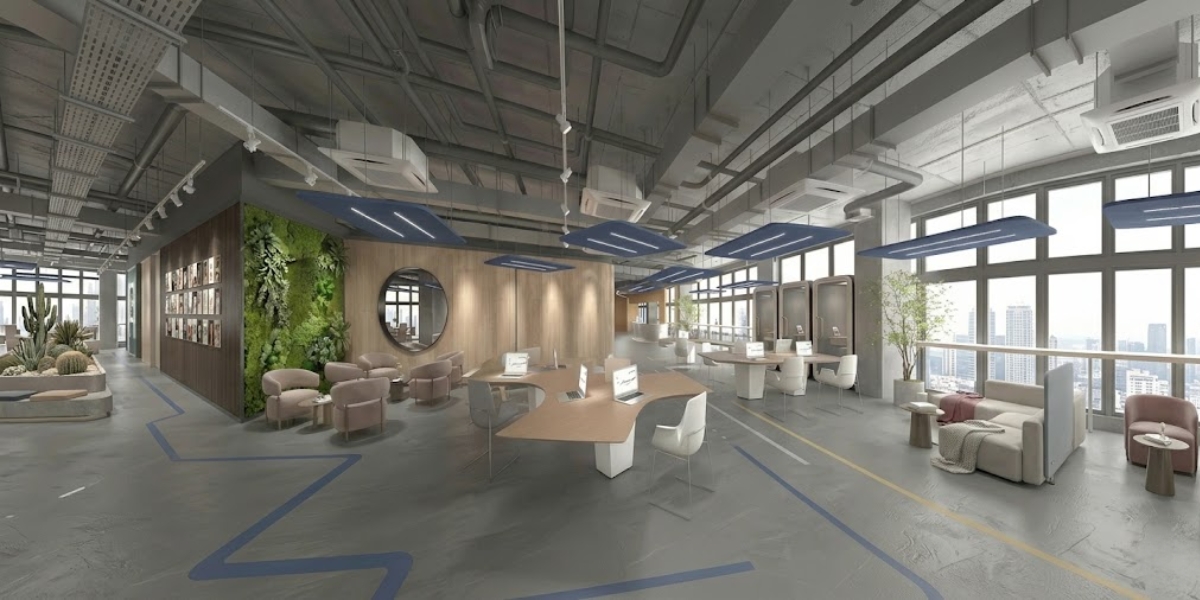
Oświetlenie akustyczne zapewnia wiele zalet funkcjonalnych i konstrukcyjnych, łącząc oświetlenie i kontrolę dźwięku w jeden system. Ta integracja nie tylko poprawia wydajność, ale także upraszcza ogólny projekt przestrzeni roboczej.
| przewaga nad kim | Praktyczna korzyść |
| Zintegrowane oświetlenie + pochłanianie dźwięku | Eliminuje potrzebę oddzielnych systemów oświetleniowych i akustycznych |
| Oszczędność miejsca na sufit | Zmniejsza bałagan i poprawia organizację sufitu |
| Zmniejszona złożoność | Szybsza instalacja z mniejszą ilością komponentów |
| Poprawiony komfort pracy | Niższy poziom hałasu i lepsze skupienie |
| Nowoczesna estetyka architekton | Czyste, minimalne i spójne wizualnie wnętrza |
Te zalety sprawiają, że oświetlenie akustyczne jest szczególnie skuteczne w dużych środowiskach biurowych, w których wymagana jest zarówno wydajność, jak i wydajność projektowa. Zmniejszając liczbę oddzielnych systemów, obniża to również długoterminową konserwację i złożoność operacyjną.
Rodzaje rozwiązań oświetlenia akustycznego
Rozwiązania oświetleniowe akustyczne nie są uniwersalne, ponieważ każdy obszar roboczy ma różne poziomy hałasu, układy i wymagania projektowe. Każdy typ jest zaprojektowany w oparciu o Układ przestrzeni, natężenie hałasu, wysokość sufitu i wymagania wizualne. Wybór odpowiedniego typu zapewnia zarówno efektywną absorpcję dźwięku, jak i odpowiednią dystrybucję oświetlenia.
Poniżej znajdują się główne typy systemów oświetlenia akustycznego stosowane w nowoczesnym projektowaniu biurowym, wyjaśnione z rzeczywistymi danymi wydajnościowymi i praktycznymi zastosowaniami.
Wisiorek akustyczny panel lampki
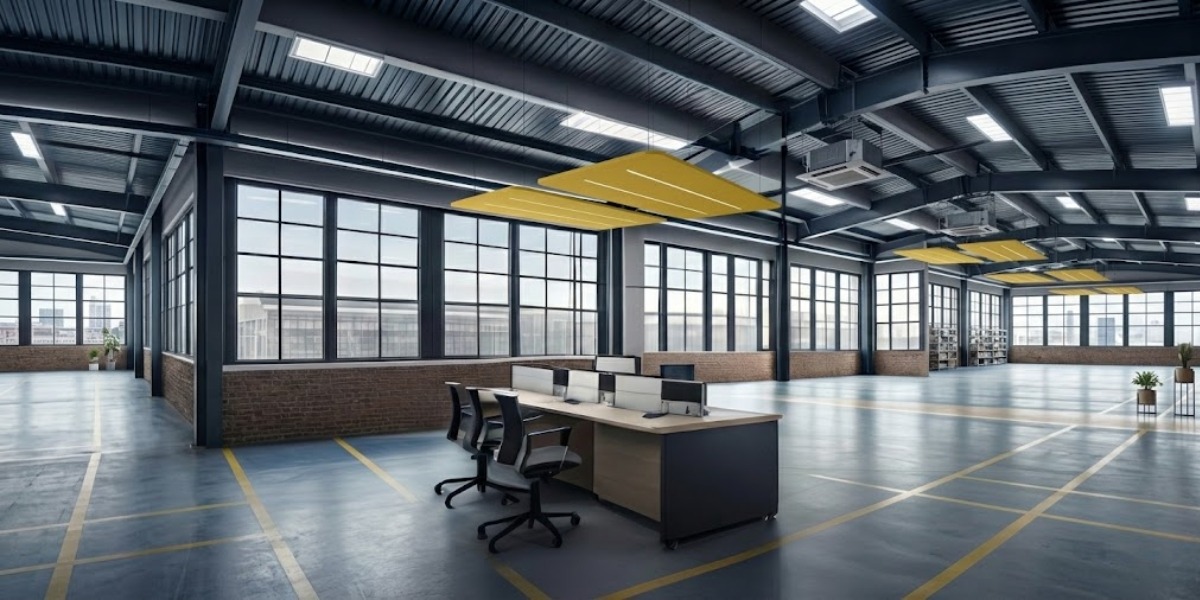
Lampy wiszące z panelu akustycznego są płaskimi, prostokątnymi lub kwadratowymi oprawami zaprojektowanymi do dostarczania Równomierny rozkład światła i szeroki zasięg akustyczny. Są to jedne z najczęściej stosowanych rozwiązań w biurach na otwartym planie.
Te oprawy wykorzystują panele z filcu o dużej gęstości, aby pochłaniać dźwięk na dużych powierzchniach, dzięki czemu są skuteczne w zmniejszaniu ogólnego hałasu otoczenia.
| parametr | Typowy zakres | Wpływ na wydajność |
| Ocena NRC | 0,75 – 0,90 | Wysoka absorpcja dźwięk |
| objętość | 600 × 600 mm do 1200 × 600 mm | Obejmuje duże powierzchnie biurka |
| Wyjście świetlne | 3000 – 6000 lm | Ogólne oświetlenie biurowe |
| Wysokość montażu | 2,5 – 4 m | Nawet rozprzestrzenianie się światła |
| Typ oświetlenia | Diffused dioda LED | Redukcja olśnienia |
te najlepiej nadają się do Duże otwarte przestrzenie robocze, obszary coworkingowe i wspólne biurka, gdzie wymagana jest spójna kontrola oświetlenia i hałasu w szerokich strefach. Ten rodzaj oświetlenia wiszącego akustycznego jest powszechnie wybierany w dużych projektach biurowych, w których wymagane jest zarówno jednolite oświetlenie, jak i spójna kontrola dźwięku.
Możesz zbadać to rozwiązanie tutaj: Lampa wisząca panelu akustycznego przeznaczona do kontroli hałasu w biurze na otwartym planie
Wisząca lampa wisząca
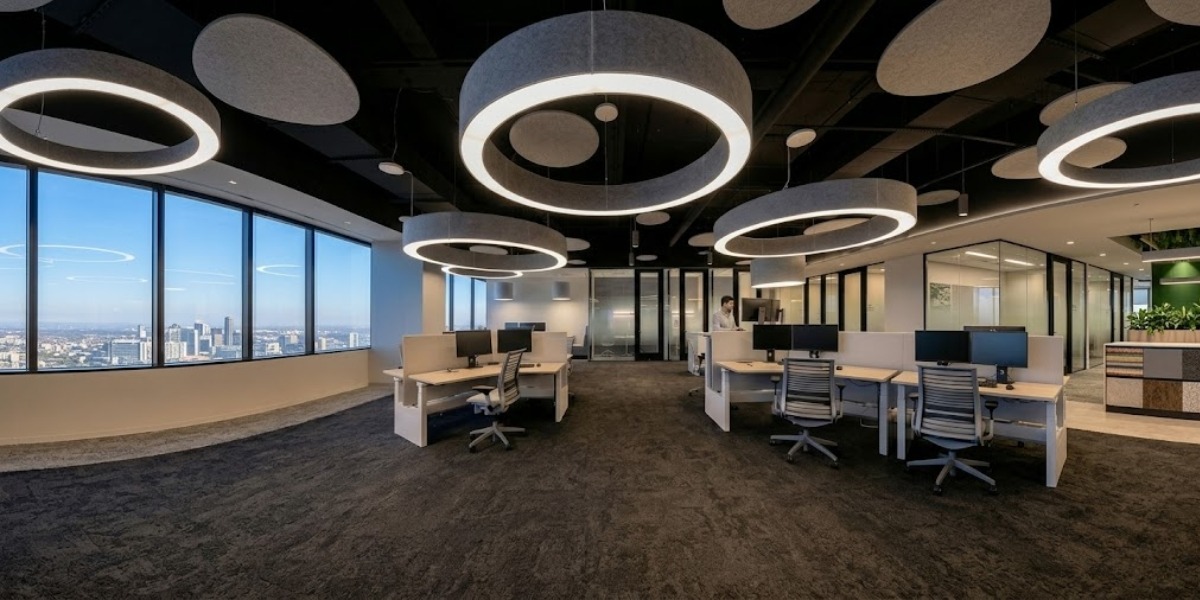
Wzrokowe lampki wiszące łączone Estetyka architektoniczna z funkcjonalną kontrolą akustyczną. Ich okrągła konstrukcja pozwala na równomierne rozłożenie światła we wszystkich kierunkach, zapewniając umiarkowaną absorpcję dźwięku.
Często są używane w przestrzeniach, w których ważna jest identyfikacja wizualna.
| parametr | Typowy zakres | Wpływ na wydajność |
| średnica | 600 – 1500 mm | Zasięg wizualny |
| Ocena NRC | 0,55 – 0,75 | Umiarkowane abs |
| Wyjście świetlne | 2500 – 5000 lm | Oświetlenie otoczenia |
| Typ oświetlenia | pośredni/bezpośredni | Miękkie oświetlenie |
Te oprawy są idealne do Recepcja, salony i strefy współpracy, gdzie oświetlenie musi być zarówno funkcjonalne, jak i wizualnie atrakcyjne. To rozwiązanie jest idealne do projektów, w których wpływ projektowy jest równie ważny jak wydajność akustyczna.
Poznaj to rozwiązanie skoncentrowane na projektowaniu tutaj: Oświetlenie wiszące z pierścieniem akustycznym do recepcji i kreatywnych przestrzeni biurowych
Akustyczna lampa wisząca liniowa
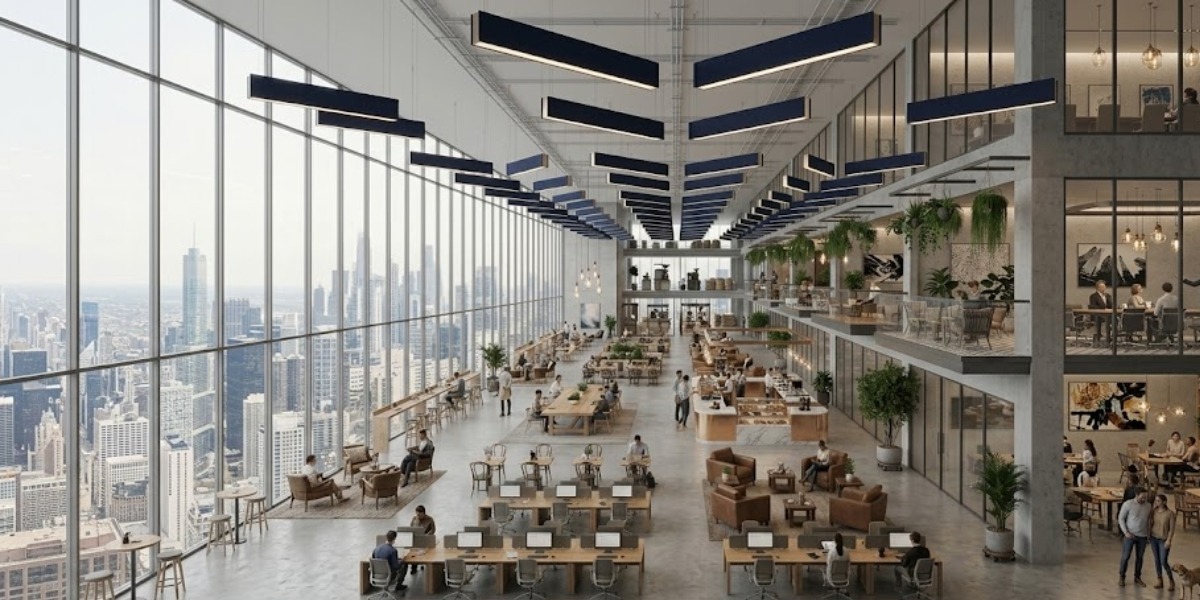
Akustyczne liniowe lampy wiszące są przeznaczone do Układy strukturalne, takie jak stoły spotkań, długie biurka i sale konferencyjne. Wydłużona forma pozwala na precyzyjne rozłożenie oświetlenia przy zachowaniu stałej absorpcji akustycznej.
| parametr | Typowy zakres | Wpływ na wydajność |
| odcinek | 1200 – 3000 mm | Pokrycie liniowe |
| Ocena NRC | 0,65 – 0,85 | Zrównoważona absorpcja |
| Wyjście świetlne | 4000 – 8000 lm | Oświetlenie zadań |
| kąt śrutowania | 90° – 120° | Sterowanie kierunkowe |
Są one powszechnie używane w Sale konferencyjne, sale konferencyjne i rzędy stacji roboczych, gdzie zarówno precyzja oświetlenia, jak i przejrzystość mowy są ważne. To sprawia, że jest to praktyczny wybór dla ustrukturyzowanych układów biurowych, w których zarówno precyzja oświetlenia, jak i przejrzystość mowy mają kluczowe znaczenie.
Zobacz to rozwiązanie tutaj: Akustyczne oświetlenie wiszące liniowe zoptymalizowane dla biurek i przestrzeni konferencyjnych
Wisząca lampa wisząca Akustyczna
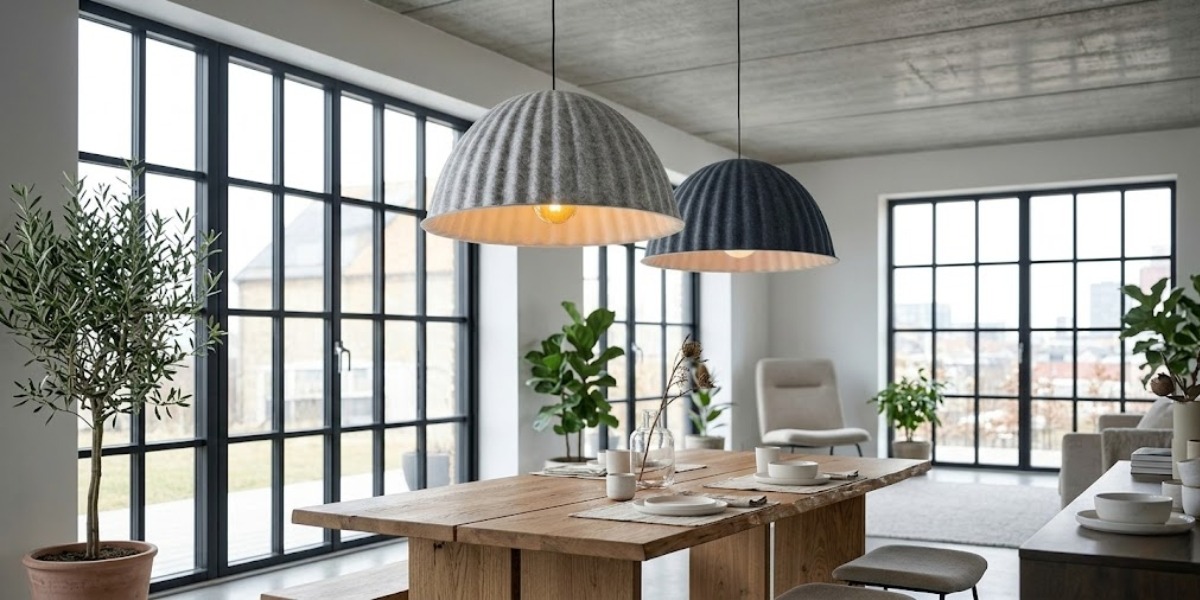
Lampy wiszące kopuły akustyczne są zaprojektowane tak, aby tworzyć Lokalizowane strefy akustyczne z miękkim oświetleniem otoczenia. Ich zakrzywiona struktura pomaga zatrzymywać i pochłaniać dźwięk w mniejszych obszarach.
| parametr | Typowy zakres | Wpływ na wydajność |
| średnica | 400 – 800 mm | Lokalny zasięg |
| Ocena NRC | 0,50 – 0,70 | Miękkie absor |
| Wyjście świetlne | 1500 – 3500 lm | Oświetlenie otoczenia |
| Typ oświetlenia | rzutowy | Niskie odblaski |
te najlepiej nadają się do Obszary wyłamania, nieformalne strefy spotkań i przestrzenie relaksacyjne, gdzie komfort i atmosfera są ważniejsze niż wysoka jasność.
Zobacz tę aplikację tutaj: Wisiorek akustyczny kopuły do środowisk wypoczynkowych i wyłamujących
Filc Shade Akustyczne lampy wiszące
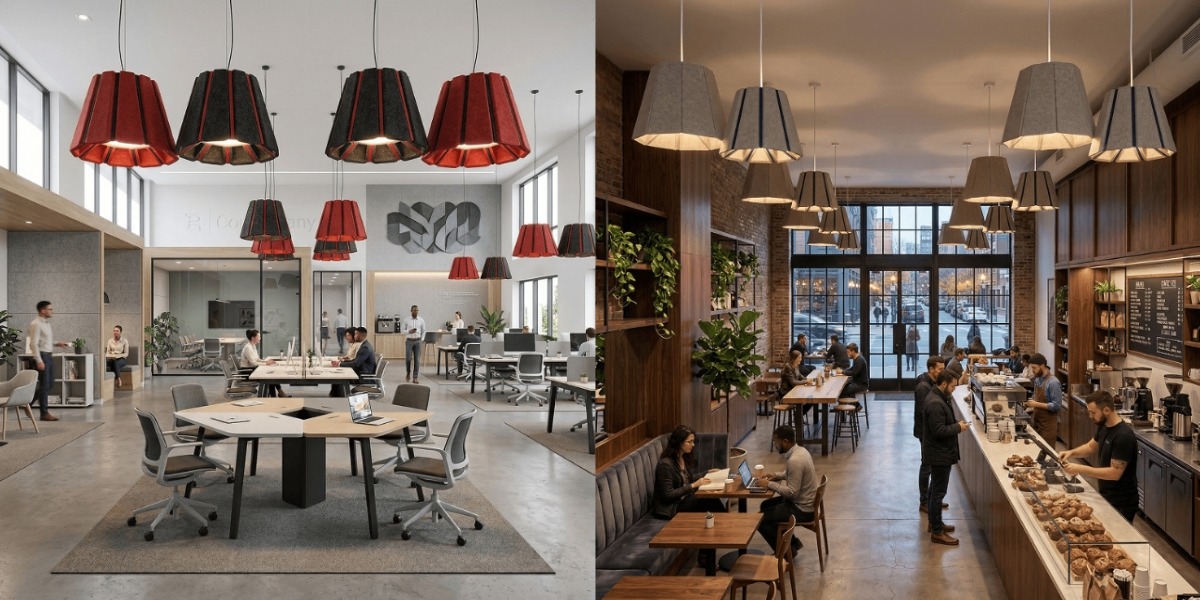
Filc Shade Acoustic wiszące lampy wiszące skupia Dekoracyjny design z podstawową funkcjonalnością akustyczną. Są one zwykle używane tam, gdzie estetyka jest priorytetem, ale nadal potrzebny jest pewien poziom pochłaniania dźwięku.
| parametr | Typowy zakres | Wpływ na wydajność |
| Ocena NRC | 0,40 – 0,60 | Absorpcja podstawowa |
| Wyjście świetlne | 1200 – 3000 lm | oświetlenie dekoracyjne |
| Grubość materiału | 6 – 12 mm | Lekka konstrukcja |
| Typ oświetlenia | otaczający | Komfort wizualny |
Są one powszechnie używane w Kafeteria, studia kreatywne i hybrydowe przestrzenie biurowe.
Poznaj to rozwiązanie dekoracyjne tutaj: Filc Shade Akustyczne oświetlenie wiszące do nowoczesnej estetyki wnętrza
Echorozmywacz lampka wisząca
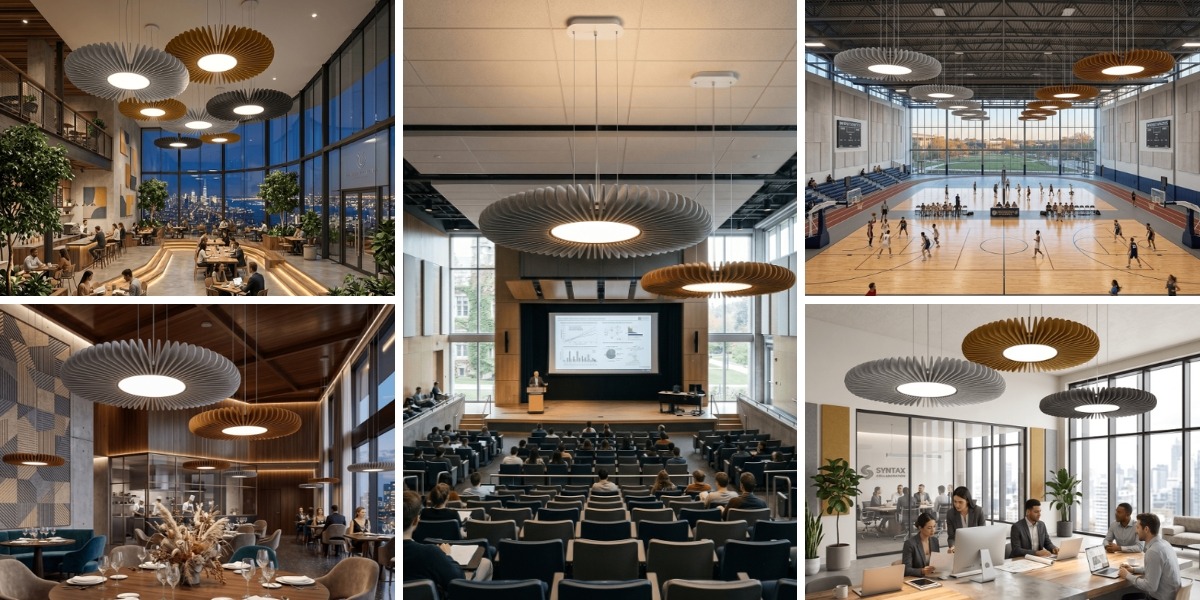
Systemy oświetlenia akustycznego EchoSlice są przeznaczone do Wysokiej klasy środowiska architektoniczne, łącząc zaawansowaną wydajność akustyczną z wizualnie charakterystycznymi wzorami.
| parametr | Typowy zakres | Wpływ na wydajność |
| Ocena NRC | 0,75 – 0,90 | Wysoka absorp |
| Typ projektu | Panele modułowe | Elastyczne układy |
| Wyjście świetlne | 3000 – 7000 lm | Funkcjonalne oświetlenie |
| montaż | Zawieszony system | Elastyczność projektowania |
Są to idealne Biura premium, studia projektowe i flagowe przestrzenie korporacyjne gdzie zarówno wydajność, jak i estetyka są krytyczne.
Więcej tutaj: EchoSlice Akustyczne oświetlenie do projektowania biurowego i premium
Akustyczne światło przegrody
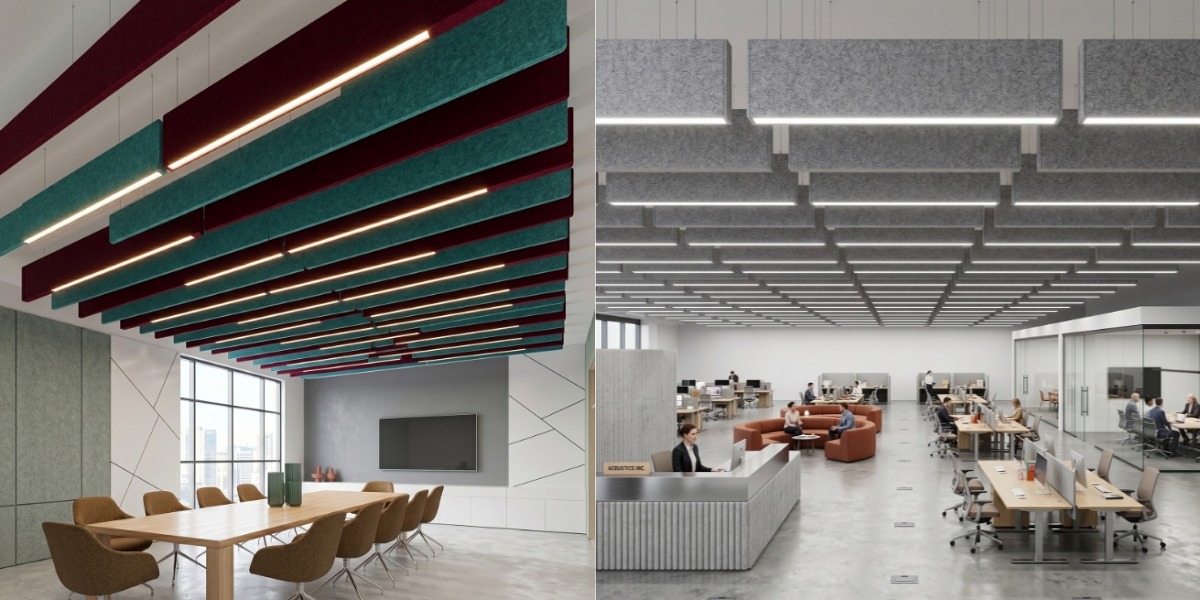
Systemy oświetlenia przegrody akustycznej są przeznaczone do Środowiska o wysokim poziomie hałasu. Używają pionowych paneli wiszących, aby zwiększyć powierzchnię powierzchni w celu pochłaniania dźwięku, co czyni je jednym z najskuteczniejszych rozwiązań do kontroli hałasu.
| parametr | Typowy zakres | Wpływ na wydajność |
| Ocena NRC | 0,80 – 0,95 | Maksymalna absor |
| Wysokość panelu | 300 – 1200 mm | Rozszerzony zasięg |
| rozstaw | 100 – 300 mm | Optymalizacja akustyczna |
| Typ oświetlenia | Zintegrowany / pośredni | Zrównoważone oświetlenie |
Systemy te najlepiej nadają się do Gęste biura na planie otwartym, call center i duże przestrzenie handlowe gdzie poziom hałasu jest stale wysoki.
Poznaj to rozwiązanie o wysokiej wydajności tutaj: System oświetlenia przegrody akustycznej dla oświetlonych otwartych biur biurowych
Porównanie produktów oświetlenia akustycznego
| czcionka | Zakres NRC | Wyjście świetlne | Najlepsza aplikacja | Siła akustyczna | Wpływ projektu |
| płyta | 0,75 – 0,90 | 3000 – 6000 lm | otwarte biura | odurzony narkotyk | Czysty i funkcjonalny |
| zadzwonić | 0,55 – 0,75 | 2500 – 5000 lm | odbiór rt | ośrodek | ozdobny |
| równowąski | 0,65 – 0,85 | 4000 – 8000 lm | stanowiska pracy | średnio wysoki | zbudowany |
| kopuła | 0,50 – 0,70 | 1500 – 3500 lm | rozwalać się | ośrodek | nietwardy |
| czułem cień | 0,40 – 0,60 | 1200 – 3000 lm | Obszary dekoracyjne | niski-średni | estetyczny |
| echa | 0,75 – 0,90 | 3000 – 7000 lm | Przestrzenie premium | odurzony narkotyk | architektoniczny |
| przegroda | 0,80 – 0,95 | 3000 – 8000 lm | Biura o wysokim poziomie hałasu | bardzo wysoki | zawodowy |
Wartości te odzwierciedlają typowe zakresy wydajności dla różnych typów produktów. Wyższe oceny NRC poprawiają kontrolę hałasu, podczas gdy rozkład oświetlenia określa, jak skutecznie oświetlona jest przestrzeń. Każdy typ zapewnia inną równowagę między pochłanianiem dźwięku, mocą oświetlenia i wpływem na projekt, umożliwiając projektantom wybór najbardziej odpowiedniego rozwiązania w oparciu o wymagania projektowe.
Jak wybrać odpowiednie rozwiązanie oświetlenia akustycznego
Wybór odpowiedniego rozwiązania oświetlenia akustycznego zależy od układu przestrzeni roboczej, poziomu hałasu i wymagań oświetleniowych. Każdy typ produktu jest przeznaczony do określonego środowiska, a odpowiedni dobór zapewnia zarówno efektywną absorpcję dźwięku, jak i optymalne oświetlenie.
Przewodnik wyboru na podstawie typu obszaru roboczego
| Typ obszaru roboczego | Zalecane rozwiązanie | Dlaczego to działa |
| Biuro na planie otwartym | Panel / przegroda | Szeroki zasięg i silna redukcja szumów |
| sale konferencyjne | Wisiorek liniowy | Skupione oświetlenie z lepszą przejrzystością m |
| Obszary recepcji | pierścień wisiorek | Efekt wizualny ze zrównoważoną kontrolą akustyczną |
| Strefy / salony | wisiorek kopułowy | Miękkie oświetlenie i relaksująca atmosfera |
| Przestrzenie kreatywne / projektowe | Filcowy cień / echo echorozmai | Elastyczność estetyczna z umiarkowaną akusty |
Wybór odpowiedniego rozwiązania akustycznego oświetlenia zależy od:
- Poziom hałasu
Środowiska o wysokim poziomie hałasu wymagają wysokich rozwiązań NRC, takich jak oświetlenie przegrody akustycznej. - Układ obszaru roboczego
Liniowe i panelowe oświetlenie wiszące najlepiej sprawdza się w przypadku biurek i przestrzeni strukturalnych. - Wymagania projektowe
Obszary dekoracyjne mogą korzystać z oświetlenia akustycznego pierścienia lub kopuły.
Wybierając odpowiedni typ, możesz zrównoważyć wydajność oświetlenia, kontrolę hałasu i wydajność projektowania w swoim obszarze roboczym.
Zdobądź odpowiednie rozwiązanie oświetlenia akustycznego dla swojego projektu
Wybór odpowiedniego systemu oświetlenia akustycznego wymaga równowagi między projektem, wydajnością i potrzebami aplikacji. Każda przestrzeń robocza ma unikalne wyzwania akustyczne i oświetleniowe, a wybór odpowiedniego rozwiązania zapewnia długotrwały komfort i wydajność.
Światło filcu Oferuje szereg rozwiązań akustycznych oświetlenia zaprojektowanych dla nowoczesnych środowisk biurowych, łącząc efektywną absorpcję dźwięku z wysokiej jakości oświetleniem LED. Niezależnie od tego, czy projektujesz nową przestrzeń, czy modernizujesz istniejącą, odpowiedni system może znacznie poprawić zarówno funkcjonalność, jak i estetykę. W przypadku wymagań opartych na projekcie ważne jest, aby przed wyborem konkretnego rozwiązania akustycznego oświetlenia ocenić takie czynniki, jak poziom hałasu, wysokość sufitu, moc oświetlenia i zamiar projektowy.
Poznaj rozwiązania akustyczne oświetlenia, aby znaleźć odpowiednie dopasowanie do wymagań projektu.
wnioskowanie
Oświetlenie akustyczne nie jest już tylko alternatywnym rozwiązaniem. Staje się standardowym podejściem w nowoczesnym projektowaniu biur, gdzie wymagana jest zarówno wydajność wizualna, jak i akustyczna.
W miarę wzrostu biur na planie otwartym wzrośnie zapotrzebowanie na zintegrowane systemy. Oświetlenie akustyczne zapewnia praktyczny, wydajny i skalowalny sposób na poprawę środowiska pracy.