 Polski
  English
  简体中文
简体中文  Deutsch
  Español
  Français
  Italiano
  日本語
日本語  한국어
한국어  Português
  Русский
  Türkçe
  Nederlands
  ไทย
ไทย  Tiếng Việt
Nowoczesne biura są zaprojektowane tak, aby były otwarte, oparte na współpracy i wizualnie czyste. Ale ta zmiana wiąże się z ukrytymi kosztami: hałas
W otwartym obszarze roboczym dźwięk nie pozostaje w stanie zamkniętym. Rozmowy rozłożone na biurkach, kliknięcia na klawiaturze tworzą stały hałas w tle, a spotkania przeciekają do okolicznych obszarów. Z biegiem czasu tworzy to rozpraszające środowisko, które wpływa na skupienie, komunikację i ogólną produktywność.
To jest miejsce, gdzie Oświetlenie wiszące panelu akustycznego staje się praktycznym rozwiązaniem. Nie chodzi tylko o oświetlenie czy dekorację. Chodzi o kontrolowanie dźwięku przy jednoczesnym zachowaniu czystego, nowoczesnego designu.
Zamiast dodawać oddzielne panele akustyczne i oprawy oświetleniowe, system ten łączy obie funkcje w jedną. Poprawia wygląd przestrzeni i jak to jest pracować.
szybka odpowiedź
Lampa wisząca z panelu akustycznego to zawieszona oprawa oświetleniowa, która również pochłania dźwięk. Łączy oświetlenie LED z materiałami pochłaniającymi dźwięk, takimi jak PET Felt, aby zmniejszyć echo i poprawić przejrzystość mowy w przestrzeniach, takich jak biura, sale konferencyjne i wnętrza komercyjne.
W rzeczywistym użyciu systemy te pomagają zmniejszyć szum tła nawet o 30-50% w otwartych środowiskach, w zależności od pokrycia i jakości materiału, przy jednoczesnym zachowaniu stałej wydajności oświetlenia.
Co to jest lampa wisząca z panelu akustycznego?
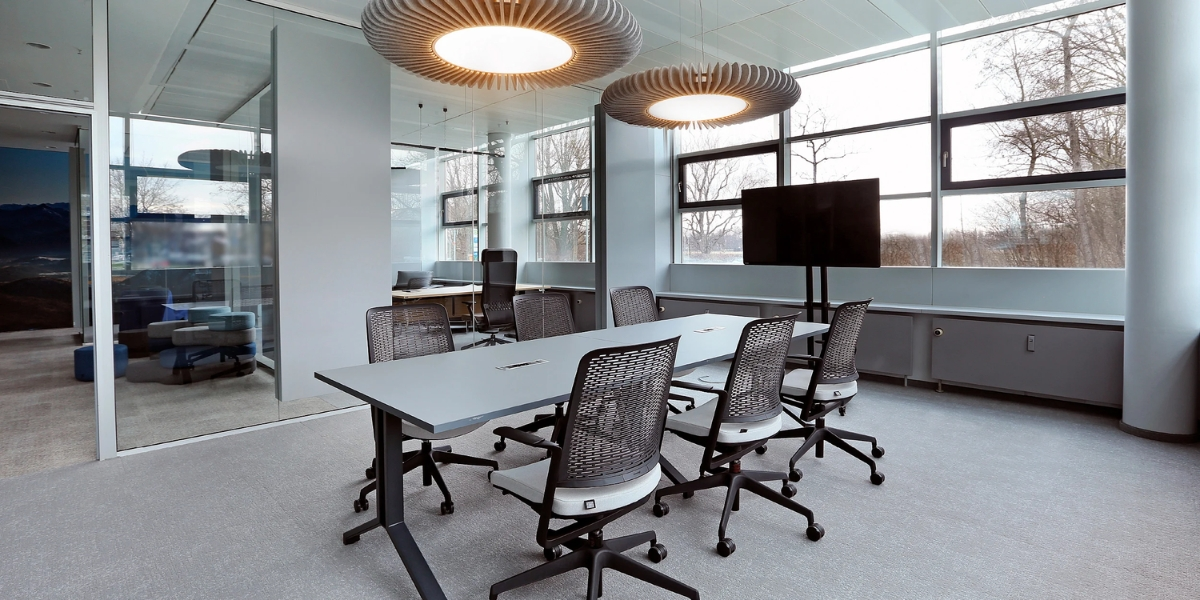
Aby to zrozumieć jasno, pomyśl o tym jako o połączeniu dwóch systemów współpracujących ze sobą.
Lampa wisząca to zawieszona oprawa oświetleniowa, która zapewnia bezpośrednie lub otoczenie. Jest powszechnie stosowany w biurach do oświetlenia zadań i estetyki projektowej.
Panel akustyczny jest przeznaczony do pochłaniania dźwięku. Zamiast pozwolić, aby fale dźwiękowe odbijały się po pokoju, zmniejsza to echo i hałas w tle.
za Wisiorek akustyczny panel lampki łączy oba. Zwisa z sufitu jak zwykłe światło, ale korpus oprawy jest wykonany z materiału dźwiękochłonnego, zwykle filcu PET.
Ten materiał pozwala falom dźwiękowym wchodzić i rozpraszać zamiast odbijać. Jednocześnie zintegrowane oświetlenie LED zapewnia spójne oświetlenie.
Więc zamiast dodawać dwa oddzielne systemy, otrzymujesz jedno rozwiązanie, które obsługuje zarówno oświetlenie, jak i akustykę.
Dlaczego hałas biurowy jest prawdziwym problemem w nowoczesnych przestrzeniach roboczych
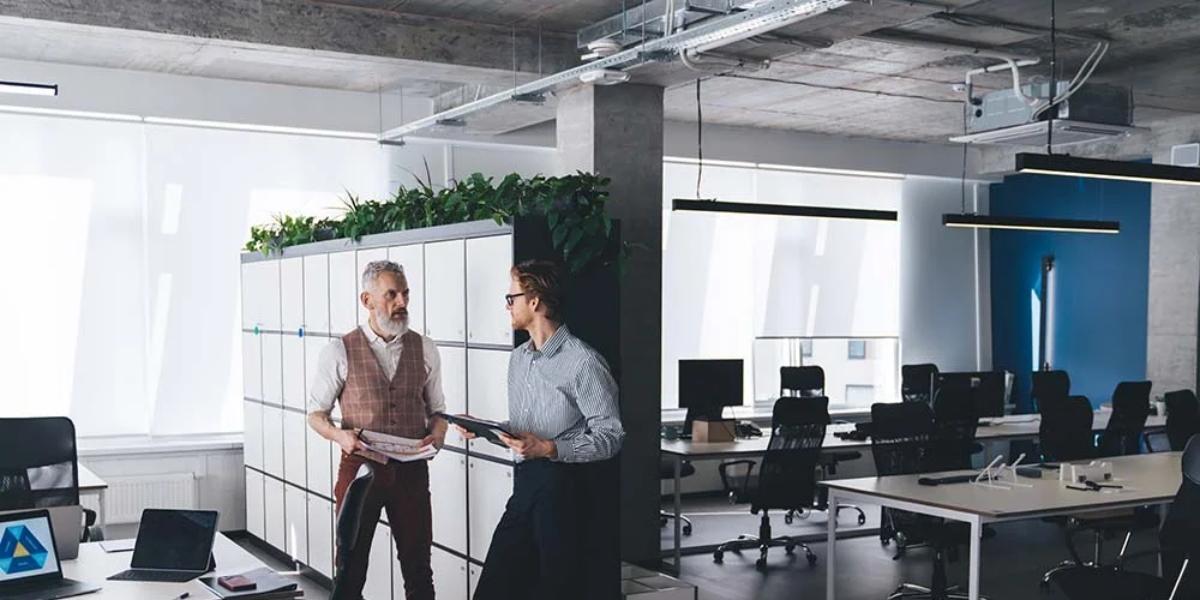
Hałas w biurach jest często niedoceniany, ponieważ narasta stopniowo.
W środowiskach o otwartym planie jest mniej barier, aby zatrzymać dźwięk. Pojedyncza rozmowa może przemieszczać się po pokoju, dotykając wielu osób. Z biegiem czasu tworzy to stałą warstwę szumu tła.
Badania w zakresie projektowania miejsca pracy pokazują, że ciągły hałas może zmniejszyć produktywność o około 15–20%. Zwiększa również zmęczenie psychiczne i zmniejsza poziom stężeń.
Problem staje się bardziej zauważalny w:
- Otwarte biura ze wspólnymi biurkami
- Środowiska coworkingowe
- Sale konferencyjne z twardymi powierzchniami
- Recepcje o dużej aktywności
Bez odpowiedniej kontroli dźwięku pracownicy mają trudności z skupieniem się lub ciągłym przenoszeniem się w cichsze miejsca. Zakłóca to przepływ pracy i zmniejsza wydajność.
Aby uzyskać pełny przegląd produktów, możesz to zbadać Wisiorek akustyczny panel lampki Rozwiązanie stosowane w rzeczywistych środowiskach komercyjnych.
Oświetlenie akustyczne rozwiązuje ten problem bezpośrednio, kontrolując dźwięk w przestrzeni, zamiast próbować go później zablokować.
Jeśli chcesz szerszego zrozumienia, w jaki sposób oświetlenie akustyczne pasuje do nowoczesnych przestrzeni roboczych, ten przewodnik na temat Dlaczego oświetlenie akustyczne to przyszłość nowoczesnego designu biurowego Wyjaśnia koncepcję szczegółowo.
Jak działają lampki wiszące z panelem akustycznym
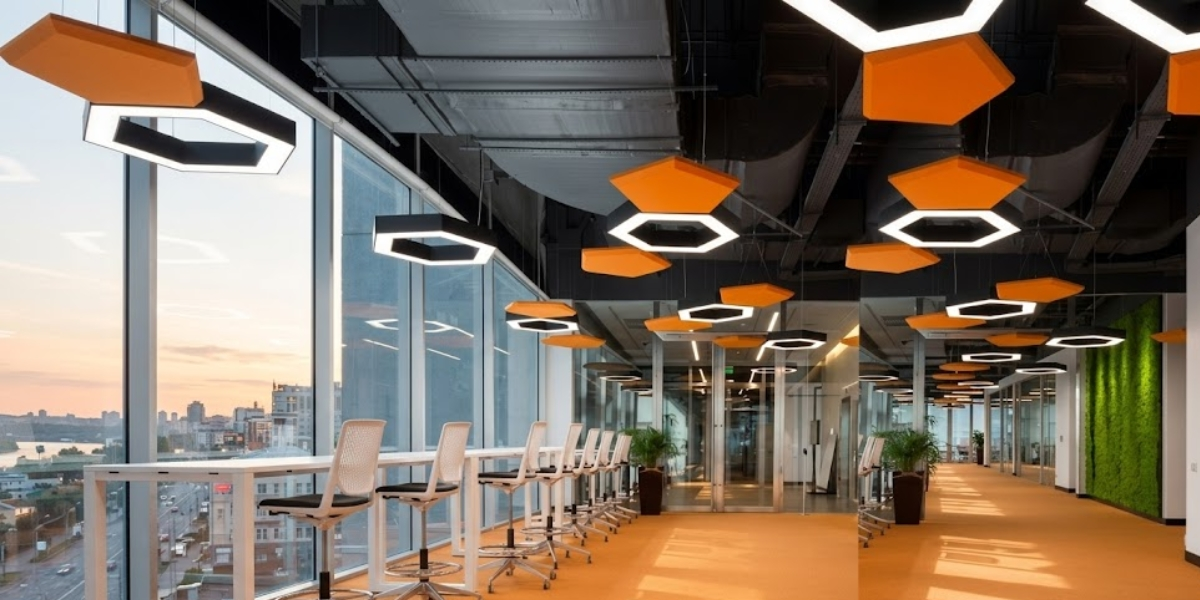
Dźwięk porusza się falami. Kiedy te fale uderzają w twarde powierzchnie, takie jak szkło, ściany lub sufity, odbijają się z powrotem do pokoju. To odbicie tworzy echo i zwiększa poziom hałasu.
Lampy wiszące z panelami akustycznymi wykorzystują miękkie, porowate materiały, takie jak filc PET. Kiedy fale dźwiękowe uderzają w ten materiał, duża część energii jest pochłaniana.
Typowy występ:
- NRC (współczynnik redukcji szumów): 0,70 – 0,95
- Efektywna absorpcja częstotliwości: 250 Hz - 4000 Hz (zakres mowy)
Ponieważ panele są zawieszone, pochłaniają dźwięk z obu stron. Zwiększa to ich wydajność w porównaniu do płaskich paneli ściennych.
Jednocześnie moduły LED zapewniają oświetlenie niezależnie. Oznacza to, że masz zarówno kontrolę dźwięku, jak i prawidłowe oświetlenie bez kompromisów.
Zalety oświetlenia wiszącego panelu akustycznego
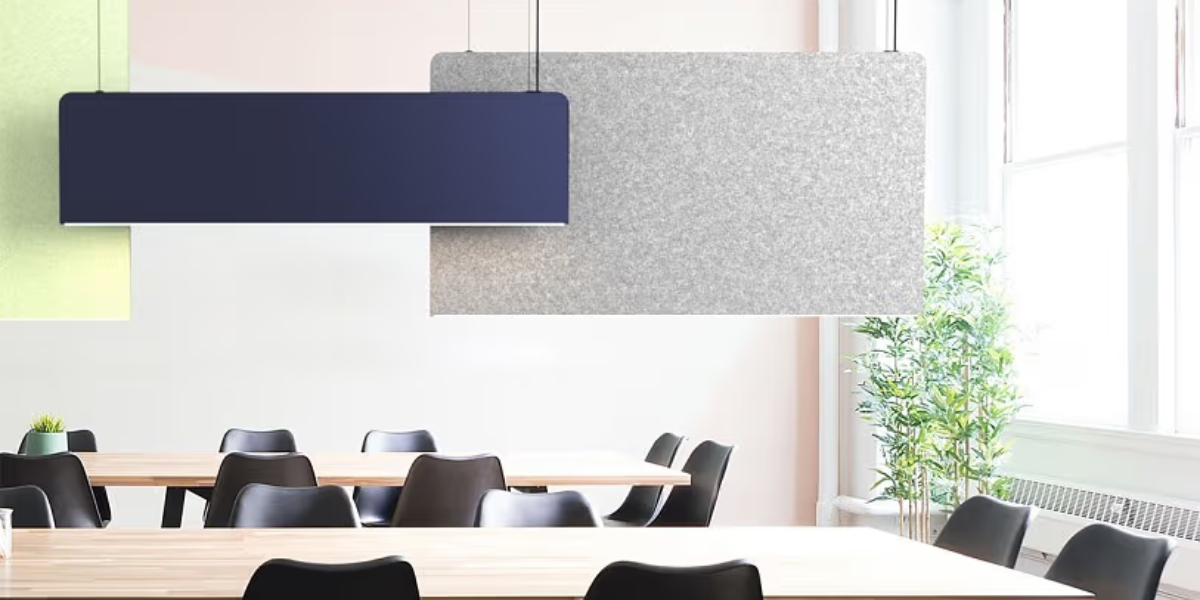
Oświetlenie wiszące panelu akustycznego ma na celu jednoczesne rozwiązanie dwóch typowych problemów biurowych: słabej akustyki i nieefektywnego oświetlenia.
Zamiast oddzielnie obchodzić dźwięk i oświetlenie, tworzy bardziej zrównoważone i wygodne środowisko pracy.
W rzeczywistych konfiguracjach biurowych prowadzi to do lepszej koncentracji, jaśniejszej komunikacji i bardziej zorganizowanego aranżacji wnętrz.
Kluczowe korzyści to:
- Redukuje hałas w otwartych przestrzeniach
Pochłanianie dźwięku pomaga ograniczyć odległość hałasu w biurze, co ułatwia koncentrację pracowników. - Poprawia przejrzystość mowy
Dzięki redukcji echa i szumu tła rozmowy stają się jaśniejsze, zwłaszcza w salach konferencyjnych i obszarach współpracy. - Łączy oświetlenie i akustykę w jednym systemie
Eliminuje potrzebę oddzielnych paneli akustycznych i opraw oświetleniowych, upraszczając zarówno projekt, jak i montaż. - Zwiększa komfort pracy w przestrzeni roboczej
Cichsze otoczenie zmniejsza zmęczenie psychiczne i pomaga utrzymać koncentrację przez dłuższe godziny pracy. - Wspiera nowoczesny design biura
Dodaje czystego, architektonicznego wyglądu do sufitu przy jednoczesnym zachowaniu funkcjonalności, dzięki czemu przestrzeń wydaje się bardziej wyrafinowana.
Gdzie użyć lampy wiszące panelu akustycznego
Oświetlenie wiszące panelu akustycznego działa najlepiej, gdy jest nakładane w zależności od tego, jak faktycznie wykorzystana jest przestrzeń. Różne środowiska mają różne wzorce szumów, więc zrozumienie, gdzie te systemy działają najlepiej, pomaga uzyskać prawdziwe wyniki.
Poniżej znajdują się najbardziej powszechne i skuteczne przypadki użycia:
otwarte biura
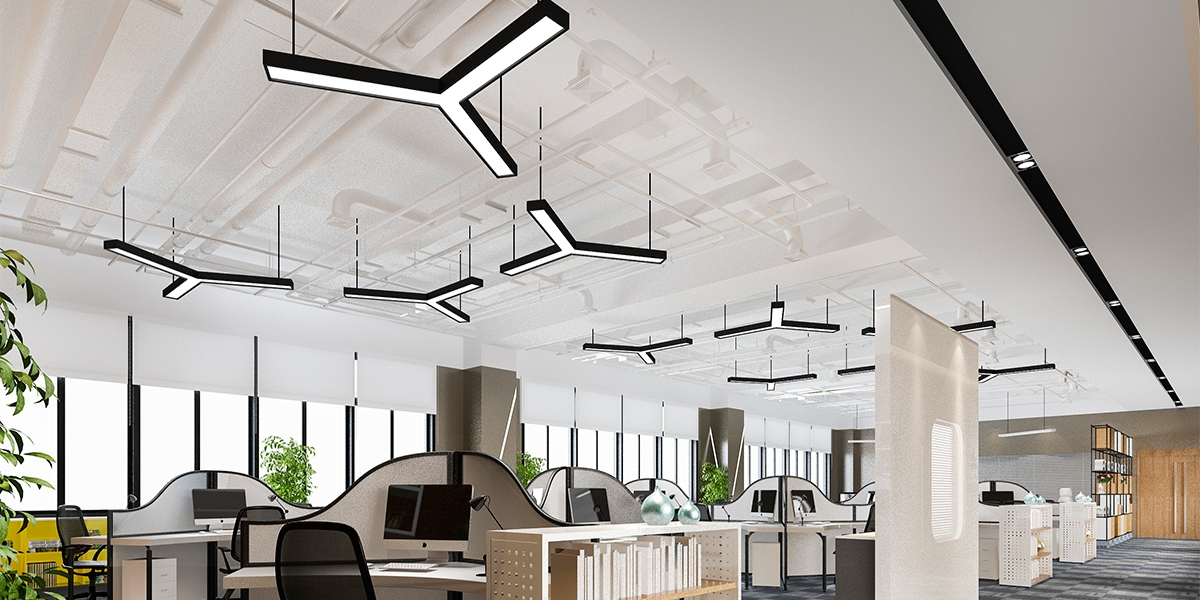
Otwarte biura są jednym z największych źródeł niekontrolowanego hałasu. Dzięki wielu osobom pracującym w tej samej przestrzeni, rozmowy i dźwięki tła łatwo się rozprzestrzeniają.
Wskaż lampki akustyczne pomagają:
- Redukcja ruchu hałasu między stacjami roboczymi
- Obniżenie poziomu dźwięku w tle
- Poprawa ogólnego skupienia pracowników
W rzeczywistości tworzy to bardziej kontrolowane środowisko, w którym ludzie mogą się skoncentrować bez ciągłych rozpraszania uwagi.
sale konferencyjne

Sale konferencyjne często cierpią z powodu echa z powodu twardych powierzchni, takich jak szklane ściany i stoły. To sprawia, że rozmowy są mniej jasne i czasami zmuszają ludzi do powtarzania się.
Oświetlenie akustyczne pomaga:
- Redukcja echa i odbicia dźwięku
- Poprawa jasności mowy
- Ułatwienie obserwowania dyskusji i prezentacji
W rezultacie komunikacja staje się jaśniejsza i bardziej wydajna.
przestrzenie coworkingowe
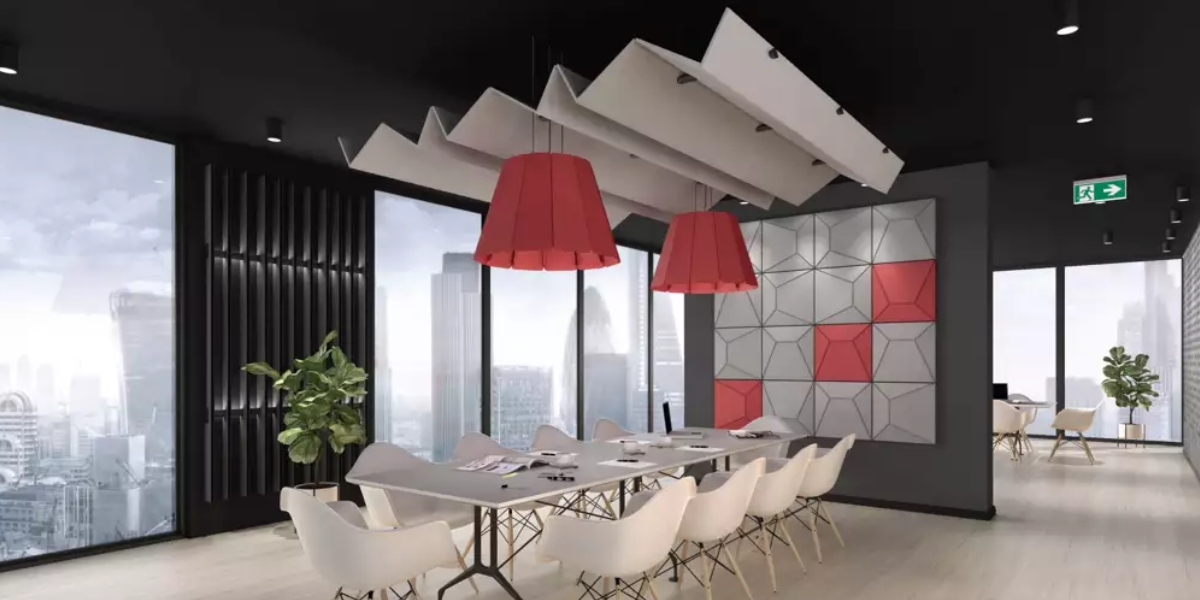
Przestrzenie coworkingowe łączą wiele zespołów w jednym obszarze, co naturalnie zwiększa poziom hałasu.
Akustyczne lampy wiszące:
- Równoważenie dźwięku w przestrzeniach wspólnych
- Zapobiegaj rozprzestrzenianiu się hałasu między grupy
- Stwórz bardziej stabilne środowisko pracy
Pozwala to na współpracę bez przekształcania przestrzeni w hałaśliwe, rozpraszające środowisko.
Recepcja i lobby
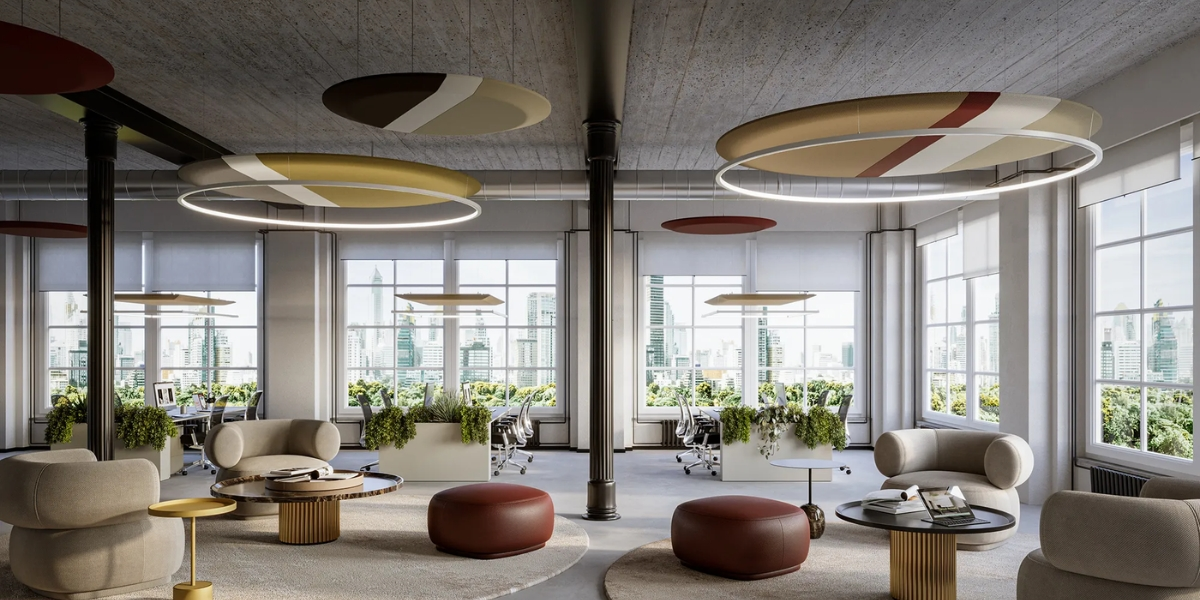
Recepcje mają zwykle wysokie sufity i powierzchnie odbijające, które wzmacniają dźwięk i tworzą echo.
Oświetlenie akustyczne pomaga:
- Kontrolowanie odbicia dźwięku
- Utrzymanie czystego i nowoczesnego projektu sufitu
- Poprawa ogólnego pierwszego wrażenia przestrzeni
Dzięki temu środowisko czuje się bardziej komfortowo i profesjonalnie dla odwiedzających.
Restauracje i przestrzenie handlowe
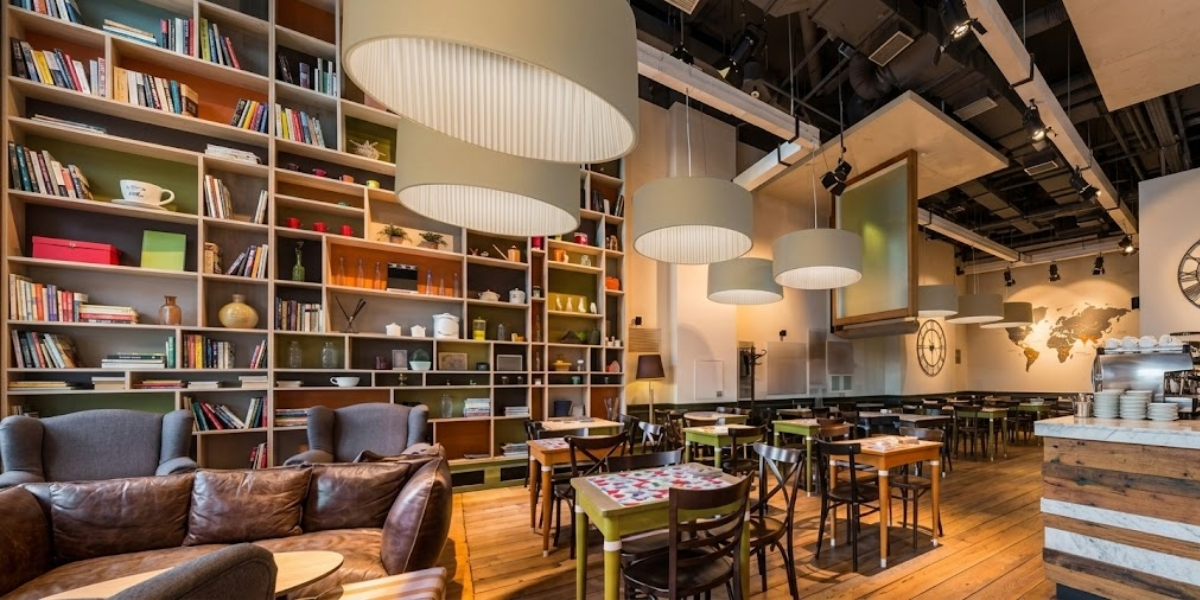
W restauracjach i wnętrzach komercyjnych nadmierny hałas może wpływać na wrażenia klientów.
Wisiorek akustyczny panele:
- Zmniejsz poziom hałasu w tle
- Spraw, aby rozmowy były wygodniejsze
- Stwórz bardziej relaksującą atmosferę
W rzeczywistym użyciu pozwala to klientom rozmawiać naturalnie bez podnoszenia głosu, poprawiając ogólny komfort.
Aby zobaczyć, jak systemy oświetlenia akustycznego są faktycznie instalowane i używane w rzeczywistych środowiskach biurowych, ten przykład projektu pokazuje kompletną konfigurację oświetlenia akustycznego w komercyjnym obszarze roboczym.
W większych projektach komercyjnych systemy takie jak np. Akustyczne światło przegrody są często używane do zarządzania dźwiękiem w szerszych obszarach sufitu.
Rodzaje lamp wiszących panelu akustycznego
Okrągłe lampki wiszące akustyczne
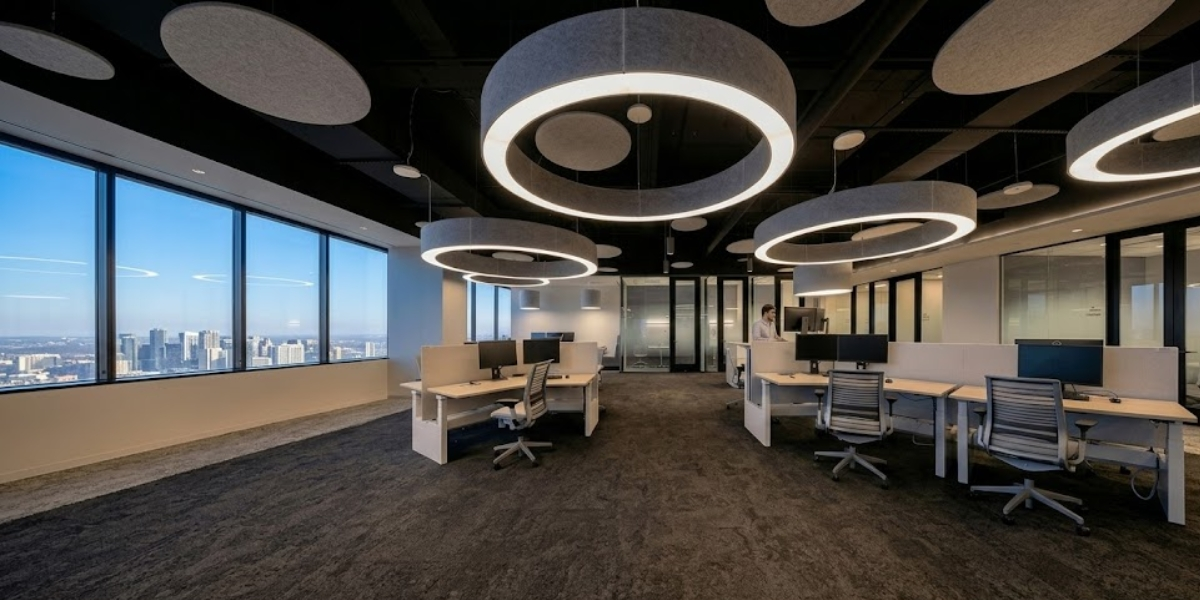
Okrągłe panele są kompaktowe i powszechnie stosowane w mniejszych przestrzeniach.
Zwykle wahają się od Średnica 400 mm do 800 mm, o grubości między 12 mm i 24 mm. Ich NRC zazwyczaj mieści się między 0,65 i 0,85.
Ze względu na swój kształt równomiernie rozprowadzają pochłanianie dźwięku. Dzięki temu są skuteczne w salach konferencyjnych i małych biurach.
Są one jednak ograniczone w zasięgu. Jedna jednostka zazwyczaj obsługuje 3–6 m², więc dla większych przestrzeni potrzebnych jest wiele jednostek.
Okrągłe wzory, takie jak Wisząca lampa wisząca są powszechnie stosowane w przestrzeniach współpracy, gdzie zarówno estetyka, jak i kontrola dźwięku mają znaczenie.
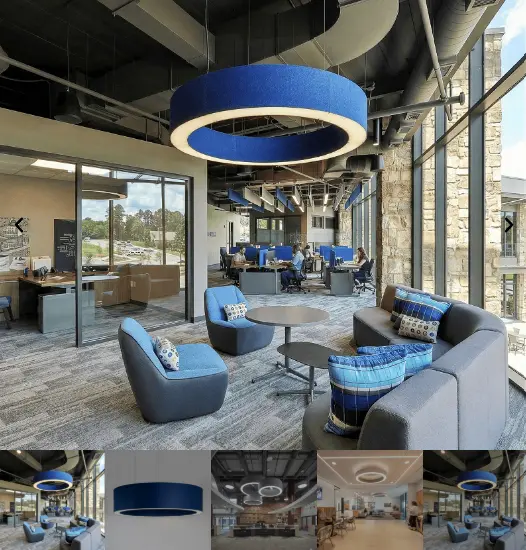
Wisząca lampa wisząca
- Łączy oświetlenie architektoniczne z pochłanianiem dźwięku
- Tworzy cichsze i wygodniejsze środowisko
- Okrągły zawieszony (pierścień) Konstrukcja
- Zapewnia jednolite oświetlenie
- Pomaga zmniejszyć echo i pogłos
- Wykonane z filcu akustycznego PET z recyklingu
- Zintegrowana technologia LED
- Dostępne w wielu rozmiarach
- Oferowane w różnych wykończeniach
- Nadaje się do nowoczesnych wnętrz komercyjnych
Panele kwadratowe i prostokątne
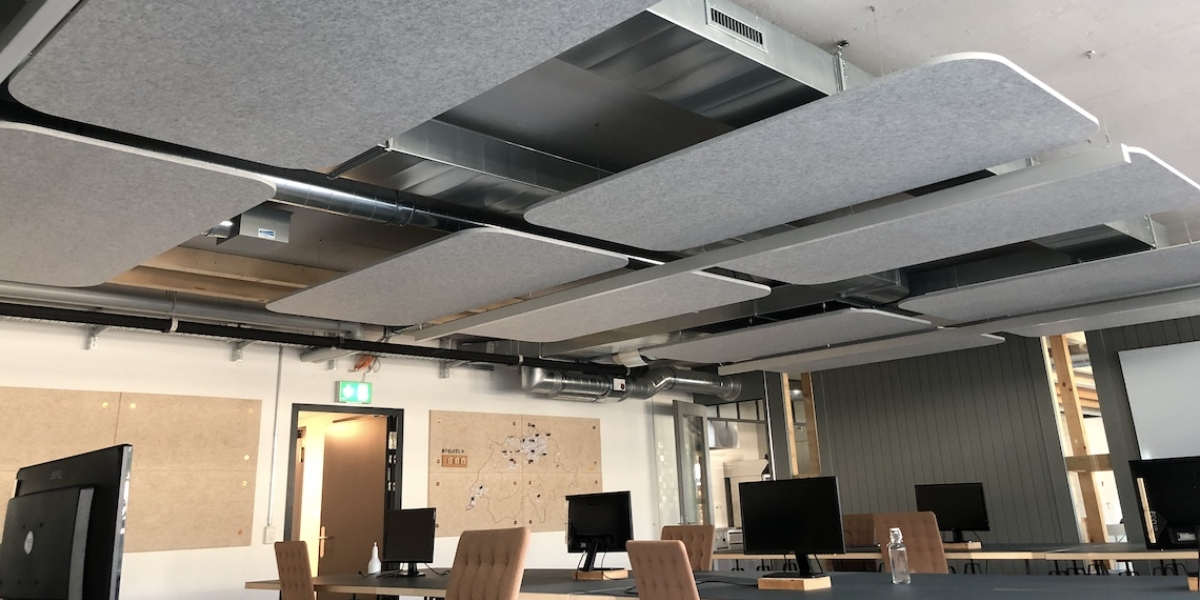
Panele te zapewniają większą powierzchnię w porównaniu do okrągłych wzorów.
Wspólne rozmiary wahają się od 600×600 mm do 1200×1200 mm, z wartościami NRC między 0,70 i 0,90.
Świetnie sprawdzają się w ustrukturyzowanych układach, zwłaszcza w biurach z projektami sufitów siatkowych. Ich większa powierzchnia poprawia pochłanianie dźwięku w zakresach o średniej częstotliwości, gdzie występuje większość ludzkiej mowy.
Pokrycie na panel jest zazwyczaj 5–10 m², dzięki czemu są bardziej wydajne niż okrągłe panele.
Liniowe lampki akustyczne
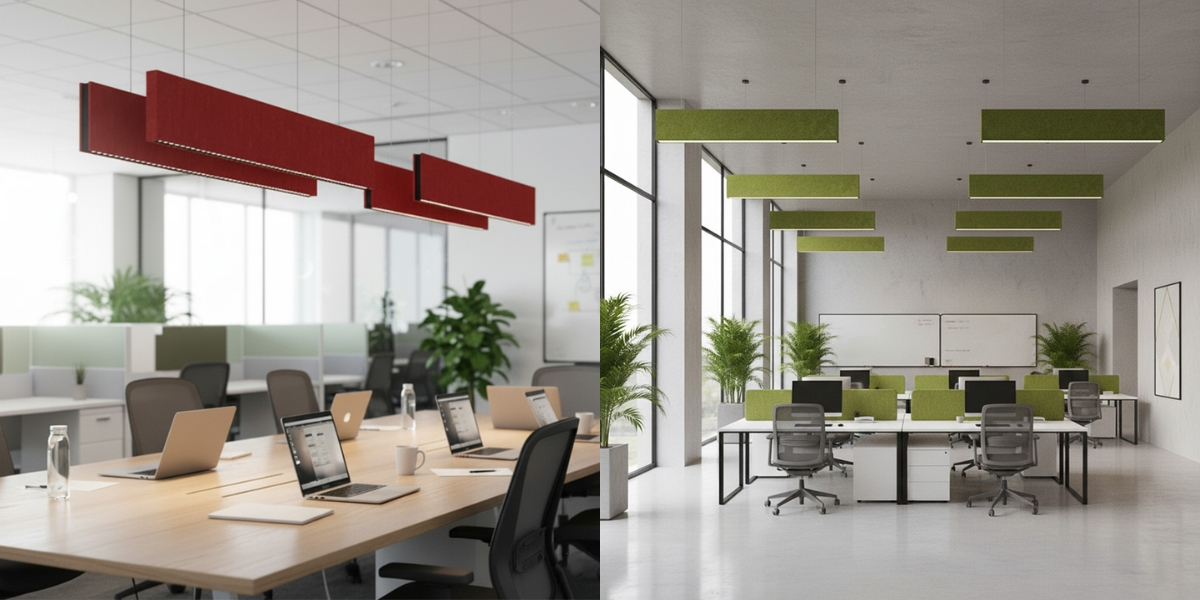
Systemy liniowe są najbardziej skuteczne w środowiskach otwartych biurowych.
Są zwykle Długość 1000 mm do 2000 mm i dostarczać wyższe wartości NRC między 0,75 i 0,95.
Ich konstrukcja pozwala im biegać równolegle do biurek, co zmniejsza sposób, w jaki dźwięk przemieszcza się po rzędach pracowników.
Pojedyncza jednostka może pokryć 8–15 m², co czyni je bardzo wydajnymi na dużych przestrzeniach.
Dlatego są one szeroko stosowane w komercyjnych rozwiązaniach oświetleniowych. W przypadku układów strukturalnych, Akustyczna lampa wisząca liniowa Działa dobrze na stacjach roboczych i długich obszarach biurowych.
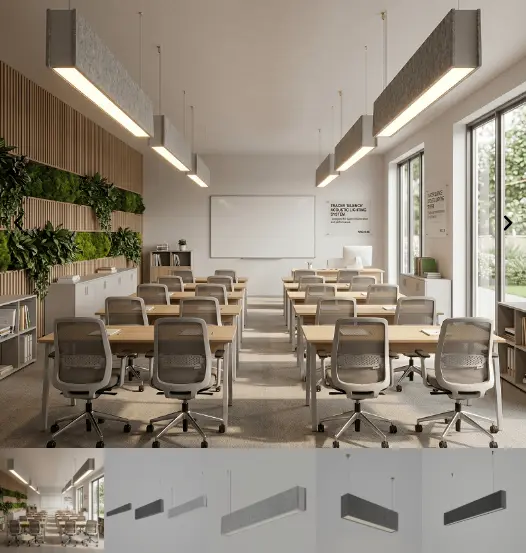
Akustyczna seria lampek liniowych LED
- Dwuzadaniowe akustyczne liniowe lampy wiszące LED do oświetlenia + redukcja szumów
- Zaprojektowany dla nowoczesnych środowisk biurowych
- Dostępne szerokości: 54mm i 88mm
- Opcje długości do 1230mm
- Elastyczne wymiarowanie dla różnych potrzeb roboczych
- Wykonane z włókna akustycznego o dużej gęstości, przyjaznym dla środowiska PET
- Wytrzymała aluminiowa obudowa do długotrwałego użytkowania
- Pomaga zmniejszyć pogłos i hałas otoczenia
- Zapewnia jednolite, bez migotania podświetlenie
- Smukły, minimalistyczny profil wzornictwa
- Dostępne w wielu kolorach wykończeń
- Zakres temperatury barwowej: 2700K – 6500K
- Nadaje się do biur na otwartym planie, sal konferencyjnych i przestrzeni edukacyjnych
Panele akustyczne w kształcie niestandardowego
Niestandardowe panele są używane, gdy projekt odgrywa główną rolę.
Mogą one obejmować geometryczne kształty, fale lub projekty specyficzne dla marki. Ich wydajność zależy od powierzchni i gęstości materiału.
NRC zazwyczaj waha się między 0,60 i 0,85, w zależności od złożoności projektu.
Chociaż oferują elastyczność i atrakcyjność wizualną, ich wydajność akustyczna jest mniej przewidywalna w porównaniu ze standardowymi kształtami.
| czcionka | Zakres wielkości | NRC | zasięg stacji nadaw | Najlepsze użycie |
| kołem | 400–800 mm | 0,65–0,85 | 3–6 m² | Małe pokoje |
| ekierka | 600–1200 mm | 0,70–0,90 | 5–10 m² | biuro |
| równowąski | 1000–2000 mm | 0,75–0,95 | 8–15 m² | otwarte przestrzenie |
| nawyk | zmienny | 0,60–0,85 | zmienny | Obszary projektowe |
Co faktycznie wpływa na wydajność akustyczną
Wydajność akustyczna to nie tylko wybór dobrego produktu. W rzeczywistym użyciu, to, jak dobrze działa lampa wisząca panelu akustycznego, zależy od połączenia jakości materiału, instalacji i pokrycia.
Wiele osób zakłada, że zainstalowanie kilku paneli wystarczy, ale wydajność poprawia się tylko wtedy, gdy te czynniki działają poprawnie.
| pośrednik | Typowy zakres | Co to znaczy w praktyce |
| NRC (współczynnik redukcji szumów) | 0,70 – 0,95 | Wskazuje, ile dźwięku może pochłonąć panel. Wyższe wartości oznaczają lepszą kontrolę hałasu. |
| zmierzwić | 12 – 24 mm | Grubsze panele pochłaniają dźwięk o niskiej częstotliwości, co pomaga zmniejszyć głębszy hałas. |
| zbitość | 160 – 240 kg/m³ | Materiały o wyższej gęstości pochłaniają dźwięk bardziej efektywnie i z czasem lepiej działają. |
| Obszar pokrycia | 20% – 40% sufitu | Określa, ile przestrzeni faktycznie jest traktowane. Większy zasięg = lepsze wyniki. |
| Luka instalacyjna | 200 – 500 mm od sufitu | Tworzy szczelinę powietrzną, która poprawia efektywność pochłaniania dźwięku. |
Nawet jeśli wybierzesz wysokiej jakości panele akustyczne, wydajność będzie nadal niska, jeśli nie zostaną prawidłowo zainstalowane lub jeśli pokrycie jest zbyt niskie.
Na przykład umieszczenie tylko jednego lub dwóch paneli w dużym otwartym biurze będzie miało bardzo mały wpływ. Dźwięk będzie nadal swobodnie podróżować, ponieważ większość sufitu pozostaje nieleczona.
W prawdziwych projektach najczęstszym błędem jest niedocenianie zasięgu. Dobrze zaplanowana konfiguracja z odpowiednim odstępem i wystarczającą powierzchnią zawsze przewyższa jakość produktu z wyższej półki używanego niewłaściwie.
Mówiąc prościej, wydajność akustyczna to nie tylko produkt — chodzi o to, jak cały system jest zaprojektowany i stosowany.
Panel akustyczny vs tradycyjne lampki wiszące
Na pierwszy rzut oka zarówno tradycyjne lampki wiszące, jak i lampy wiszące z panelami akustycznym mogą wyglądać podobnie. Oba zwisają z sufitu i zapewniają oświetlenie.
Ale w rzeczywistym użyciu ich funkcjonalność jest zupełnie inna.
Tradycyjne lampy wiszące przeznaczone są wyłącznie do oświetlenia. W ogóle nie wchodzi w interakcję z dźwiękiem. W przestrzeniach o twardych powierzchniach może to faktycznie pogorszyć problemy z hałasem, ponieważ dźwięk nadal odbija się w pomieszczeniu.
Z drugiej strony lampa wisząca z panelu akustycznego jest zaprojektowana do obsługi zarówno oświetlenia, jak i dźwięku. Poprawia wygląd przestrzeni, jednocześnie kontrolując zachowanie dźwięku.
| uwydatnia | Tradycyjne światło wiszące | Wisiorek akustyczny panel lampki |
| obowiązek | Tylko oświetlenie | Oświetlenie + pochłanianie dźwięk |
| kontrola hałasu | żaden | Zmniejsza echo i szum tła |
| Komfort przestrzeni roboczej | zasadowy | Lepsze skupienie i przejrzystość |
| przykładanie | Ogólne oświetlenie | Komercyjne środowiska akustyczne oświetlenia akus |
W cichym otoczeniu tradycyjne lampy wiszące działają idealnie, ponieważ hałas nie jest poważnym problemem.
Jednak w biurach, przestrzeniach coworkingowych lub w środowiskach komercyjnych hałas staje się poważnym problemem. W tym miejscu oświetlenie akustyczne robi zauważalną różnicę.
Zamiast oświetlać przestrzeń, aktywnie poprawia komfort, zmniejsza rozpraszanie uwagi i tworzy bardziej kontrolowane środowisko.
Mówiąc prościej, tradycyjna lampa wisząca dodaje światła tylko do przestrzeni, a lampka wisząca z panelu akustycznego poprawia zarówno wygląd przestrzeni, jak i to, jak czuje się praca.
Możesz zobaczyć nasz szczegółowy przewodnik na temat: Panel akustyczny vs tradycyjne lampki wiszące
Dlaczego warto wybrać filcowe lampki wiszące z panelu akustycznego?
Jeśli chodzi o oświetlenie akustyczne, materiał odgrywa ważną rolę zarówno pod względem wydajności, jak i trwałości.
Dlatego większość nowoczesnych lamp wiszących panelu akustycznego używa Filc zwierza jako materiał rdzenia.
Filc PET jest wykonany z przetworzonych włókien z tworzyw sztucznych, ale jego prawdziwa wartość wynika z tego, jak działa w codziennym środowisku. Oferuje stałą pochłanianie dźwięku, szczególnie w zakresie częstotliwości mowy, co ma kluczowe znaczenie dla biur i przestrzeni komercyjnych.
Dlaczego zwierzak działa tak dobrze
- Niezawodna absorpcja dźwięk
Utrzymuje stabilną wydajność w czasie, pomagając skutecznie redukować echo i szum tła. - Ekologiczny materiał
Wykonane z tworzyw sztucznych z recyklingu, dzięki czemu jest bardziej zrównoważoną opcją dla nowoczesnych projektów. - Lekki i trwały
Łatwy w instalacji i odporny na zużycie, nawet w środowiskach o dużym użyciu, takich jak biura i przestrzenie coworkingowe. - Elastyczne opcje projektowania
Można kształtować w różne formy, umożliwiając zarówno funkcjonalne, jak i projektowe aplikacje. - Stała wydajność w różnych aplikacjach
Dobrze sprawdza się w biurach, salach konferencyjnych i wnętrzach komercyjnych bez większych różnic w wydajności.
W prawdziwych projektach filc PET zachowuje równowagę między wydajnością a praktycznością. Zapewnia niezawodne wyniki akustyczne bez zwiększania wagi i złożoności instalacji.
Jednocześnie pozwala projektantom eksperymentować z kształtami, kolorami i układami, dzięki czemu nadaje się zarówno do wymagań technicznych, jak i estetycznych.
Mówiąc prościej, nie chodzi tylko o zrównoważony rozwój czy projekt — filc PET jest szeroko stosowany, ponieważ działa konsekwentnie tam, gdzie ma największe znaczenie.
Koszt vs wydajność: co faktycznie dostajesz za tę cenę
Koszt lampy wiszącej panelu akustycznego zależy od wielkości, jakości materiału, oceny akustycznej i poziomu dostosowania.
Ale w prawdziwych projektach cena nie dotyczy tylko produktu — bezpośrednio wpływa na wydajność akustyczną, trwałość i długoterminową wartość.
Typowy przedział cenowy w prawdziwych projektach
| czcionka | przedział cenowy | jednostka | Typowy przypadek użycia |
| Małe panele (podstawowe kształty) | $40 – $120 | na jednostkę | Biura domowe, małe sale konferencyjne |
| Standardowe panele biurowe | $120 – $350 | na jednostkę | stanowiska pracy, sale konferencyjne |
| Liniowe systemy akustyczne | $200 – $600 | na jednostkę | Otwarte biura, obszary współpracy |
| Niestandardowe panele projektowe | $800 – $2500+ | na jednostkę | branding, projekty architektoniczne |
| Projekty na dużą skalę | $200 – $400 | za m² | Pełne pokrycie akustyczne biura |
Co wpływa na cenę w praktyce
- Gęstość materiału (jakość filcu PET)
Większa gęstość (180–240 kg/m³) poprawia pochłanianie dźwięku i trwałość. - Grubość panelu
Grubsze panele (12–24 mm) działają lepiej, szczególnie w przypadku częstotliwości mowy. - Ocena akustyczna (wartość NRC)
Panele z NRC 0,80–0,95 kosztują więcej, ale zapewniają zauważalną redukcję szumów. - Poziom dostosowywania
Unikalne kształty, kolory i zintegrowane systemy oświetleniowe zwiększają koszty. - Skala instala
Większe projekty często obniżają koszty jednostkowe, ale wymagają wyższych inwestycji z góry.
Co to oznacza w rzeczywistym użyciu
Opcje o niższych kosztach mogą wyglądać podobnie, ale często używają:
- Cieńszy materiał
- filc o niższej gęstości
- słabsza wydajność akustyczna
W rezultacie redukują szum tylko nieznacznie i mogą nie rozwiązać prawdziwych problemów z dźwiękiem biurowym.
Z drugiej strony, wyższej jakości systemy oświetlenia akustycznego:
- Zapewnij spójną redukcję szu
- Popraw przejrzystość m
- trwać dłużej bez spadku wydajności
Mówiąc prościej, nie płacisz tylko za projekt — płacisz za wymierne działanie akustyczne, które faktycznie poprawiają przestrzeń roboczą.
Przewodnik zakupowy: Jak wybrać odpowiednią lampę wisząca z panelem akustycznym
Wybór odpowiedniej lampy wiszącej panelu akustycznego to nie tylko projekt — chodzi o dopasowanie produktu do tego, jak faktycznie wykorzystana jest przestrzeń.
Oto prosty przewodnik krok po kroku, który pomoże Ci podjąć właściwą decyzję:
1. Zdefiniuj przeznaczenie przestrzeni
- dla otwarte biura → Skoncentruj się na redukcji szumów tła i rozproszeń
- dla sale konferencyjne → Priorytetowe określenie klarowności mowy i kontroli ech
- dla recepcja lub miejsca publiczne → Równowaga akustyka z projektem wizualnym
2. Oceń rozmiar i obszar pokrycia
- Małe pokoje → mniej paneli z skupionym rozmieszczeniem
- Biura średnie → rozproszone panele w kluczowych strefach
- Duże otwarte przestrzenie → wymagają Pokrycie sufitowe 20–40% Aby uzyskać skuteczne wyniki
- Nie polegaj na jednym dużym panelu — Pokrycie ma większe znaczenie niż rozmiar
3. Wybierz odpowiedni materiał (wykonywanie ma znaczenie)
- zaatakować Filc PET o dużej gęstości (160–240 kg/m³) Dla lepszej absorpcji dźwięku
- szukać Ocena NRC w zakresie 0,70–0,95 Dla prawdziwej wydajności akustycznej
- Unikaj materiałów o niskiej gęstości, jeśli redukcja hałasu jest priorytetem
4. Wybierz prawą grubość panelu
- Grubość 12–24 mm Działa najlepiej przy absorpcji częstotliwości mowy
- Grubsze panele działają lepiej w ruchliwych lub hałaśliwych środowiskach
- Cienkie panele mogą wyglądać dobrze, ale oferują ograniczone korzyści akustyczne
5. Dopasuj wyjście oświetlenia do środowiska
- Obszary robocze → Zrównoważone, bez olśnienia oświetlenie
- Sale konferencyjne → bardziej miękkie, skupione oświetlenie
- Unikaj zbyt jasnych lub przyciemnionych ustawień — oba zmniejszają komfort i użyteczność
6. Rozważ wysokość i odstępy montażowe
- Idealna wysokość zawieszenia → 300–800 mm poniżej sufitu
- Utrzymuj odpowiednią odległość między panelami, aby zapewnić równomierny rozkład dźwięku
- Pozostaw wystarczającą szczelinę dla przepływu powietrza i wydajności akustycznej
7 7 , myśl długoterminowo
- Tańsze opcje mogą obniżyć koszty początkowe, ale z czasem nie będą działać słabiej
- Wysokiej jakości systemy zapewniają:
- Lepsza kontrola hałasu
- Dłuższa żywotność
- Stała wydajność
Aby zbadać różne konfiguracje i prawdziwe opcje produktów, możesz przejrzeć ten zakres Rozwiązania oświetleniowe ak Używany w projektach komercyjnych.
Ostateczne kluczowe wynos
- Hałas biurowy bezpośrednio wpływa na produktywność
- Oświetlenie akustyczne łączy kontrolę dźwięku i oświetlenie
- NRC powyżej 0,70 jest wymagane dla zauważalnych wyników
- Systemy liniowe są najlepsze dla otwartych biur
- Pokrycie ma większe znaczenie niż rozmiar panelu
- Gęstość materiału wpływa na rzeczywistą wydajność
- Właściwa instalacja poprawia żywotność i wydajność
wnioskowanie
Oświetlenie wiszące panelu akustycznego to nie tylko ulepszenie projektu. Jest to funkcjonalne rozwiązanie prawdziwego problemu w miejscu pracy.
Łącząc oświetlenie i pochłanianie dźwięku, poprawia komfort, ostrość i komunikację. Biura stają się bardziej wydajne i przyjemniejsze w pracy.
Kluczem jest wybór odpowiedniego systemu w oparciu o rzeczywiste warunki. Prawidłowo wykonane, staje się istotną częścią nowoczesnego projektu biurowego.