 Polski
  English
  简体中文
简体中文  Deutsch
  Español
  Français
  Italiano
  日本語
日本語  한국어
한국어  Português
  Русский
  Türkçe
  Nederlands
  ไทย
ไทย  Tiếng Việt
Projekt rozpoczął się po tym, jak klient na międzynarodowej wystawie napotkał okrągły wisiorek akustyczny LED. To, co zwróciło ich uwagę, to nie tylko forma wizualna, ale połączenie oświetlenia i pochłaniania dźwięku w jednym zawieszonym oprawie. Niedługo potem odwiedzili naszą stronę internetową i zidentyfikowali podobny model, który pasował do koncepcji, którą mieli na myśli.
Jednak wersja dostępna na stronie była Standardowa oprawa o średnicy 500 mm, przeznaczony do zastosowań na mniejszą skalę. Chociaż potwierdziło to, że mamy właściwy kierunek projektowania, nie odpowiadało to skali wymaganej dla ich projektu. Klient pracował nad większym wnętrzem komercyjnym, gdzie oprawa musiała funkcjonować jako dominujący element wizualny i akustyczny, a nie uzupełniający.
Sięgnęli do wyraźnej prośby: replikuj ten sam język projektowania, ale w znacznie większych rozmiarach, w szczególności Ø1150mm i Ø1500mm, zachowując ten sam smukły profil i zintegrowaną wydajność akustyczną.
To było punktem wyjścia do projektu, który wymagałby pełnego zaangażowania inżynieryjnego, a nie prostej dostawy produktów.
Dlaczego wymagany projekt nie mógł zostać osiągnięty przy użyciu standardowych produktów oświetlenia akustycznego

Ograniczenie podstawowe stało się natychmiastowe. Istniejący produkt został zaprojektowany w Średnica 500mm, gdzie stabilność strukturalna, rozkład materiału i wydajność światła zostały już zoptymalizowane. skalowanie tego projektu bezpośrednio do 1150mm i 1500mm nie była kwestią proporcjonalnie rosnących wymiarów.
Przy 500 mm rama może zachować sztywność przy minimalnym wzmocnieniu, a materiał akustyczny integruje się bez wpływu na wyważenie strukturalne. Przy ponad metr średnicy ta sama konstrukcja zachowuje się inaczej. Rozkład obciążenia zmienia się, a ryzyko odkształcenia znacznie wzrasta, zwłaszcza w przypadku instalacji zawieszonych.
Klient jednocześnie nalegał na utrzymanie Smukły i wyrafinowany profil, podobny do oryginalnej wersji 500mm. To wprowadziło bezpośredni konflikt. Zwiększenie rozmiaru zazwyczaj wymaga dodatkowego podparcia konstrukcyjnego, co zwiększa grubość. Zmniejszenie grubości w celu zachowania estetyki osłabia strukturę.
Ta przepaść między Standardowa zdolność produktu (500 mm) i Wymagania projektowe (1150mm / 1500mm) uniemożliwiało poleganie na istniejących projektach. Aby zniwelować tę różnicę, wymagane było w pełni dostosowane rozwiązanie, bez pogorszenia wydajności.
Co sprawiło, że światła wiszące o dużej średnicy o dużej średnicy są trudne konstrukcyjnie i funkcjonalnie
Po zdefiniowaniu wymagań dotyczących rozmiaru wyzwania inżynieryjne stały się bardziej złożone. Duża okrągła konstrukcja zachowuje się inaczej pod zawieszeniem w porównaniu do mniejszych opraw. Zwiększona średnica powoduje większe naprężenie zginające w ramie, co może prowadzić do długotrwałego odkształcenia, jeśli nie zostanie odpowiednio wzmocnione.
Jednocześnie wymóg smukłej konstrukcji oznaczał, że nie można było zastosować tradycyjnych metod zbrojenia. Dodanie zbiorczego rozwiązałby problem z siłą, ale nie spełni wymagań wizualnych zdefiniowanych przez klienta.
Integracja materiału akustycznego PET dodała kolejne ograniczenie. Materiał musiał być ustawiony w taki sposób, aby zachować jego wydajność pochłaniania dźwięku, nie zakłócając integralności strukturalnej oprawy. Nieprawidłowe ułożenie może spowodować nierównomierny rozkład masy lub zmniejszoną efektywność akustyczną.
Wydajność oświetlenia musiała również pozostać spójna na większej powierzchni. Zapewnienie jednolitego oświetlenia bez hotspotów lub przyciemnionych stref wymagało starannego zaplanowania rozmieszczenia LED i konstrukcji optycznej.
Wyzwania te były ze sobą powiązane. Rozwiązanie jednego bez rozważania innych spowodowałoby powstanie nowych problemów, dlatego konieczne było skoordynowane podejście inżynieryjne.
Jak walidacja inżynierska zmieniła koncepcję w wyprodukowany system oświetlenia
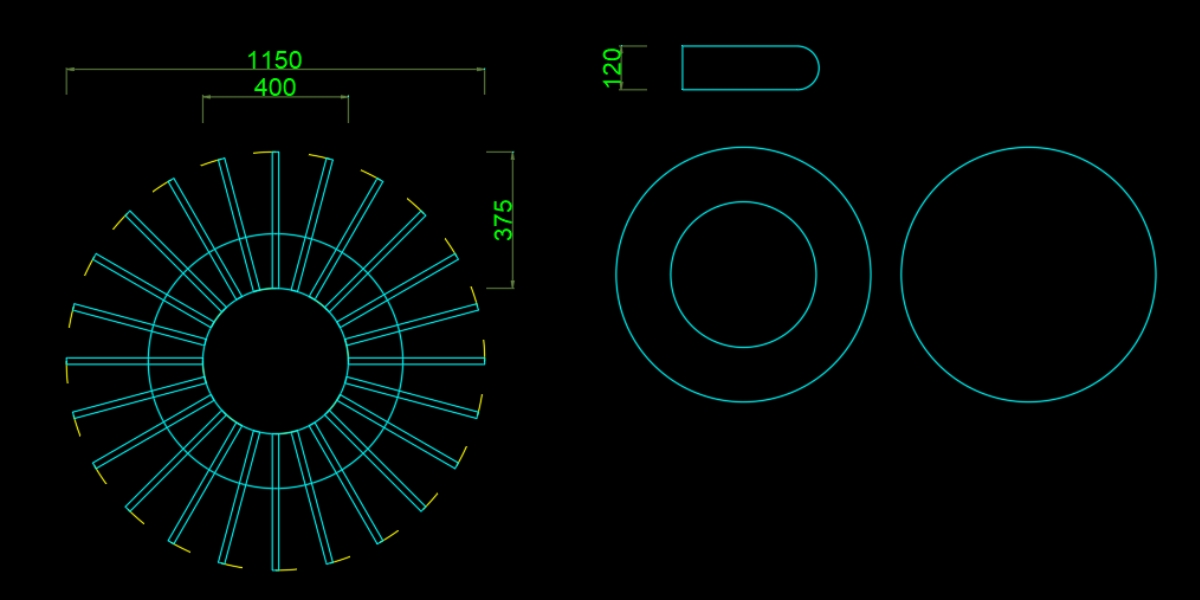
Przejście od koncepcji do produkcji rozpoczęło się od szczegółowego modelowania CAD. Zespół inżynierów odtworzył projekt w obu Średnice 1150mm i 1500mm, analizując, jak konstrukcja zachowywałaby się w rzeczywistych warunkach instalacji.
Rama wewnętrzna została przeprojektowana, aby równomiernie rozłożyć ciężar na całej średnicy. Zamiast po prostu zwiększać grubość materiału, struktura została zoptymalizowana, aby zachować wytrzymałość przy jednoczesnym zachowaniu smukłego profilu. Dzięki temu oprawa zachowała wizualnie spójność z oryginalną wersją 500 mm, jednocześnie wspierając większą skalę.
Skalowanie osprzętu do 1500 mm wprowadziło ryzyko strukturalne, które nie występuje w standardowych konstrukcjach 500 mm. Przy tej średnicy oprawa polegająca tylko na lekkim materiale akustycznym stopniowo traciłaby płaskość i zaczęła zwisać w środku pod własnym ciężarem.
Aby temu zapobiec, wewnętrzne aluminiowe żebra konstrukcyjne zostały zintegrowane z ramą, aby podtrzymać lekki silnik i utrzymać równomierny rozkład obciążenia. Dzięki temu oprawa pozostała wizualnie płaska i konstrukcyjnie stabilna po instalacji, nawet przy większych średnicach.
Jednocześnie układ oświetlenia został dostosowany, aby zapewnić równomierny rozkład na rozszerzonej powierzchni. Pozycjonowanie LED i komponenty optyczne zostały dopracowane, aby zachować jednolitą jasność bez zwiększania olśnienia.
Każda iteracja projektu została oceniona pod kątem wykonalności. Celem było nie tylko osiągnięcie wykonalności technicznej, ale także zapewnienie, że projekt może być konsekwentnie realizowany w kontrolowanym osi czasu.
Dzięki temu procesowi koncepcja przekształciła się w system, który można niezawodnie wyprodukować i zainstalować bez nieoczekiwanych problemów z wydajnością.
Jak konstrukcja akustyczna w kształcie liścia zwiększyła wydajność pochłaniania dźwięku
Konstrukcja akustyczna została zaprojektowana przy użyciu pionowych ostrzy w kształcie liścia, a nie płaskich paneli. Ostrza te, zwykle wytwarzane z materiału PET w kontrolowanych zakresach grubości, były ułożone w promieniowy wzór w poprzek okrągłej ramy.
Ta konfiguracja służyła nie tylko do wizualnego zróżnicowania. Pionowe ustawienie ostrza zwiększa efektywną powierzchnię w tej samej objętości urządzenia, umożliwiając interakcję fal dźwiękowych z wieloma powierzchniami zamiast jednej płaszczyzny.
Co ważniejsze, geometria powoduje, że fale dźwiękowe ulegają dyfrakcjom podczas przechodzenia przez i wokół ostrzy. Zamiast odbijać się bezpośrednio z powrotem w przestrzeni, energia dźwięku jest rozproszona i pochłaniana z wielu kątów. Stwarza to bardziej efektywne zachowanie akustyczne w porównaniu z projektami z płaskimi panelami.
Z punktu widzenia wydajności można to opisać jako absorpcję objętościową, w której trójwymiarowa struktura zwiększa przechwytywanie dźwięku bez zwiększania ogólnej grubości urządzenia.
Dlaczego materiał akustyczny PET był kluczowy dla osiągnięcia zarówno pochłaniania dźwięku, jak i elastyczności projektowej
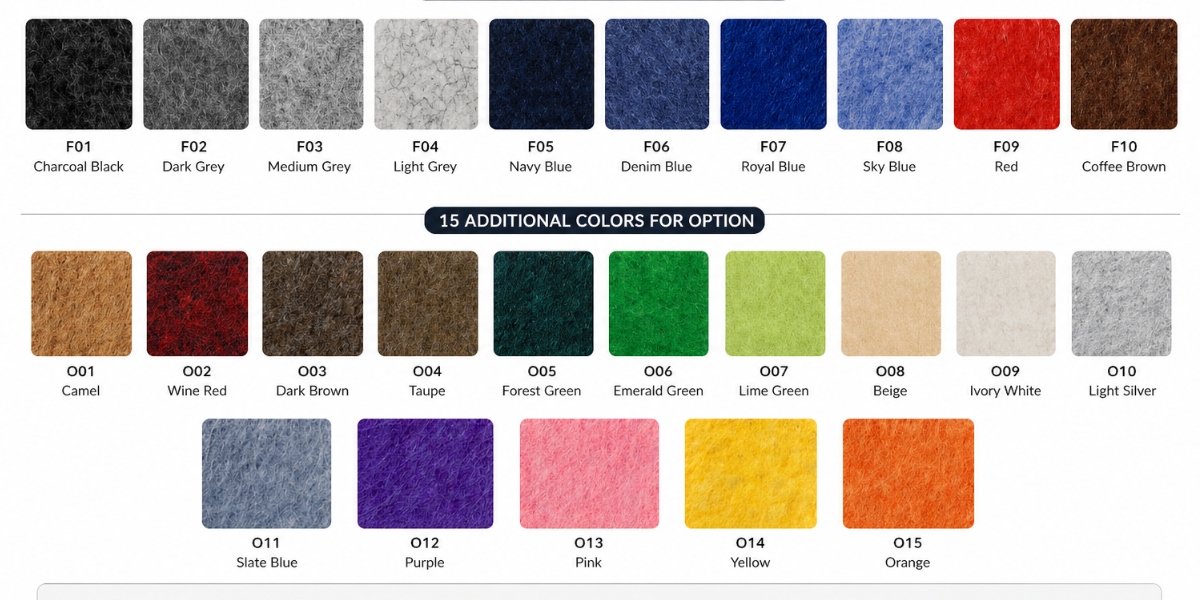
Wybór materiału akustycznego PET odegrał kluczową rolę w sukcesie projektu. W tej aplikacji PET nie był używany jako element drugorzędny, ale jako integralna część systemu. Jak pokazano na naszej karcie kolorów Acoustic Finish, w projekcie wykorzystano określone niebieskie tony, aby dostosować się do tożsamości korporacyjnej klienta, utrzymując ocenę NRC do 0,95. Chociaż metryki takie jak NRC są często używane do oceny materiałów akustycznych, ich interpretacja w zintegrowanych systemach oświetleniowych może być bardziej złożona. W rzeczywistości wielu profesjonalistów nie rozumie, w jaki sposób NRC stosuje się do zawieszonych opraw akustycznych, zwłaszcza gdy geometria i rozmieszczenie wpływają na rzeczywistą wydajność. Aby uzyskać głębsze wyjaśnienie, możesz zapoznać się z naszym szczegółowym przewodnikiem na temat Dlaczego oświetlenie akustyczne nie ma oceny NRC.
Jego włóknista struktura pozwala na pochłanianie dźwięku o średniej do wysokiej częstotliwości, co jest najczęstszym rodzajem hałasu w środowiskach biurowych. Obejmuje to mowy, ruch i hałas w tle otoczenia. Dzięki integracji PET bezpośrednio z oprawą, system oświetlenia przyczynił się do zmniejszenia pogłosu bez konieczności dodatkowych paneli akustycznych.
Równie ważna była jego elastyczność. PET można przycinać i kształtować bez utraty właściwości akustycznych, co pozwala na dostosowanie się do okrągłej konstrukcji i zachowanie czystego wyglądu. Umożliwiło to dostosowanie projektu do większych rozmiarów bez wprowadzania niespójności wizualnych.
Jego lekki charakter zmniejszył również obciążenie całej konstrukcji, co było kluczowe podczas skalowania do 1150 mm i 1500 mm. Pomogło to utrzymać równowagę między wydajnością strukturalną a zamiarem projektowym.
Jak dostosowanie pomogło wyeliminować ograniczenia projektowe i zmniejszone ryzyko projektu?
Dostosowanie w tym projekcie bezpośrednio dotyczyło ograniczeń tworzonych przez różnicę rozmiarów. Zamiast zmuszać klienta do przystosowania się do standardowego produktu 500 mm, projekt został przeprojektowany tak, aby spełnić wymagane wymiary i kryteria wydajności.
Dopasowano kolory do wystroju wnętrza, zapewniając płynne zintegrowanie materiału akustycznego z przestrzenią. Metody montażu zostały dostosowane, aby zapewnić stabilne zawieszenie przy większych rozmiarach, zmniejszając ryzyko niewłaściwego wyrównania podczas instalacji.
Parametry oświetlenia zostały również dostosowane, aby zachować spójność w obu rozmiarach opraw. Bez tej regulacji większa oprawa mogłaby wytworzyć nierównomierne oświetlenie, co wpłynęłoby na użyteczność przestrzeni.
Rozwiązując te zmienne w fazie projektowania, projekt unikał potencjalnych problemów podczas instalacji i eksploatacji. Zmniejszyło to niepewność dla klienta i zapewniło, że wynik końcowy odpowiadał oczekiwaniom.
Ostateczna konfiguracja techniczna, która zrównoważyła jakość oświetlenia, wydajność akustyczną i koszt
| Nr modelu. | średnica | Lekki rozmiar | światłolecznictwo | chwalić | warżar | osobisty | napięcie elektryczne | Ocena IP | Cena jednostkowa |
| AR1150-400 | 1150mm | 400mm | 4000k | ≥90 | <22 | Aluminium + Zwierzę | AC220–240V | IP20 | $228.6 |
| AR1500-600 | 1500mm | 600mm | 4000k | ≥90 | <22 | Aluminium + Zwierzę | AC220–240V | IP20 | $342.9 |
Wybrana konfiguracja odzwierciedla równowagę między wydajnością a praktycznością. Zastosowano temperaturę barwową 4000K, aby zapewnić neutralne białe światło odpowiednie do środowisk pracy, unikając ciepła oświetlenia mieszkalnego i surowości wyższych wartości Kelvina.
CRI powyżej 90 zapewnia, że kolory pozostają dokładne pod światłem, co jest ważne w przestrzeniach, w których klarowność wizualna wpływa na codzienne zadania. Wartość UGR poniżej 22 kontrolnych olśnień, zapobiegając dyskomfortowi podczas długotrwałego użytkowania.
W przypadku większego oprawy 1500 mm projekt oświetlenia wymagał dodatkowego rozważenia. Podczas gdy średnica całkowita wynosiła 1500 mm, efektywna powierzchnia emitująca światło wynosiła 600 mm, co oznaczało, że światło musiało być równomiernie rozmieszczone na znacznie szerszej powierzchni.
Aby to osiągnąć, zastosowano układ optyczny o szerokim kącie wiązki w połączeniu z dyfuzorami o wysokim przepustowości. Pozwoliło to na płynne rozłożenie światła od środka w kierunku zewnętrznych krawędzi, zapobiegając ciemnemu strefom i zapewniając spójne oświetlenie w całym oprawie.
Połączenie aluminium i PET pozwala oprawie zachować wytrzymałość konstrukcyjną przy jednoczesnym zapewnieniu wydajności akustycznej. Aluminium wspomaga rozpraszanie ciepła i trwałość, podczas gdy PET przyczynia się do pochłaniania dźwięku.
Te specyfikacje nie zostały wybrane niezależnie. Każdy parametr był zgodny z wymaganiami funkcjonalnymi i środowiskowymi projektu.
Jak osiągnięto skompresowany harmonogram produkcji bez wpływu na jakość i spójność
Po zakończeniu projektu produkcja została zakończona w ciągu 5-7 dni. Było to możliwe dzięki rozwiązaniu wszystkich głównych zmiennych na etapie inżynierii.
Ponieważ konstrukcja, materiały i konfiguracja oświetlenia zostały już zweryfikowane, produkcja mogła przebiegać bez przerw. Komponenty zostały przygotowane z wyprzedzeniem, a procesy montażu zostały zoptymalizowane w celu zachowania spójności w obu rozmiarach.
Dla klienta ta oś czasu była krytyczna. Oświetlenie potrzebne do zrównania się z szerszym harmonogramem budowy, a opóźnienia wpłynęłyby na inne etapy projektu. Utrzymując kontrolowany proces produkcyjny, dostawa pozostała zgodnie z harmonogramem bez pogorszenia jakości.
Co się zmieniło po instalacji pod względem komfortu oświetlenia, wydajności akustycznej i doświadczenia przestrzennego
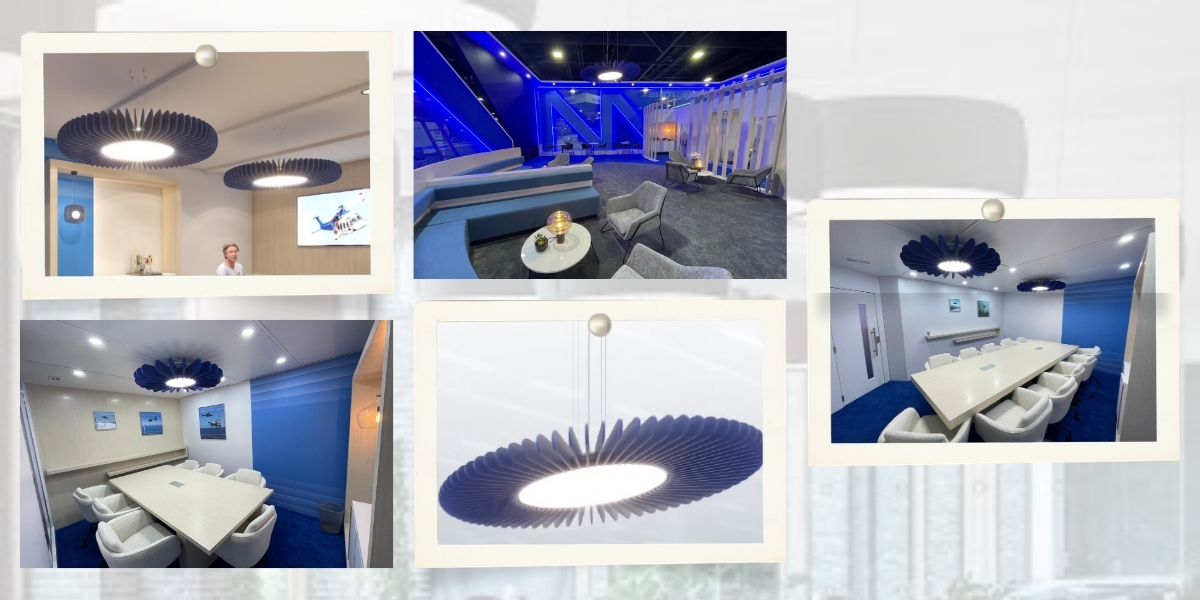
Po instalacji wpływ opraw był widoczny zarówno w kategoriach wizualnych, jak i akustycznych. Oświetlenie zapewniało spójne oświetlenie w całej przestrzeni, eliminując nierówną jasność i redukując odblaski. Takie podejście jest zgodne z nowoczesnymi strategiami przestrzeni roboczej, gdzie Oświetlenie wiszące panelu akustycznego do biur Łączy kontrolę dźwięku i oświetlenie w jednym systemie.
Integracja materiału PET zmniejszyła hałas tła i echa, poprawiając przejrzystość mowy w środowisku. To sprawiło, że przestrzeń była bardziej odpowiednia do spotkań i współpracy.
Wizualnie większe oprawy zapewniły silniejszą obecność we wnętrzu. Ich skala i forma przyczyniły się do ogólnego projektu, zmieniając je w cechę definiującą, a nie element drugorzędny.
Rezultatem była przestrzeń, która działała skuteczniej, a jednocześnie prezentowała spójną identyfikację wizualną.
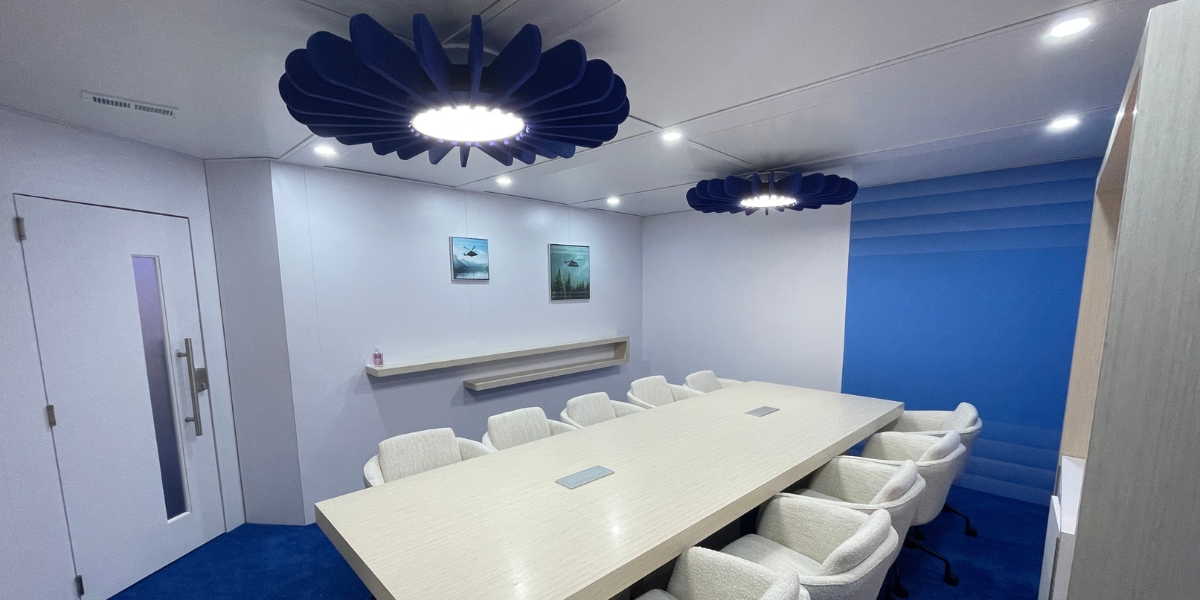
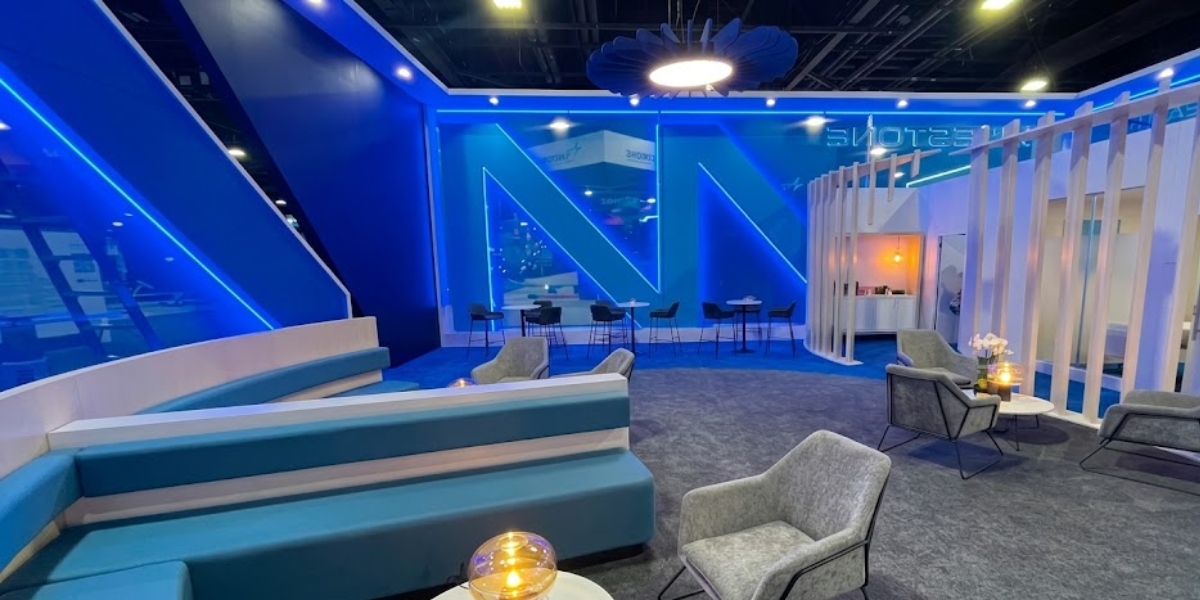
Zainstalowane oprawy zostały również udokumentowane na podstawie zdjęć na miejscu udostępnionych przez klienta, pokazując ostateczną integrację w przestrzeni. Te obrazy wyraźnie pokazują, w jaki sposób struktura akustyczna w kształcie liścia oddziałuje z układem sufitu, zachowując spójny rozkład oświetlenia.
Wynik wizualny potwierdza, że oprawy nie tylko spełniały oczekiwania dotyczące wydajności, ale także były zgodne z zamierzeniami architektonicznym projektu, wzmacniając ich rolę zarówno jako elementów funkcjonalnych, jak i projektowanych.
Dlaczego ten projekt odzwierciedla rzeczywistą wartość niestandardowych rozwiązań oświetleniowych opartych na inżynierii
Ten projekt podkreśla znaczenie zaangażowania inżynierii na wczesnym etapie procesu. Rozwiązując wspólne wymagania konstrukcyjne, akustyczne i oświetleniowe, ostateczne rozwiązanie uniknęło kompromisów typowo związanych ze standardowymi produktami.
Z perspektywy kupującego takie podejście zmniejsza ryzyko. Projekt jest walidowany przed produkcją, instalacja jest bardziej przewidywalna, a wyniki wydajności są zgodne z oczekiwaniami.
Klienci wybierają nas nie tylko do produktów oświetleniowych, ale do rozwiązań inżynieryjnych. Gdy wymagania projektowe wykraczają poza standardowe wymiary, wielu dostawców cofa się ze względu na ograniczenia techniczne. W tym przypadku nasza wewnętrzna walidacja inżynierska i wiedza materiałowa pozwoliły nam rozwiązać ograniczenia strukturalne, akustyczne i projektowe w ramach jednego zintegrowanego rozwiązania.
Poprawia również wydajność. Szybsza produkcja i mniej regulacji podczas instalacji pomagają utrzymać projekt zgodnie z harmonogramem.
Zamiast dostosowywać się do ograniczeń produktu, rozwiązanie zostało opracowane tak, aby dopasować się do specyficznych wymagań projektu, co skutkowało bardziej wiarygodnym wynikiem.
Co architekci i nabywcy projektów powinni zrozumieć przed wyborem rozwiązań oświetlenia akustycznego
Projekty dotyczące Oświetlenie akustyczne Wymagaj innego podejścia w porównaniu do standardowych instalacji oświetleniowych. Interakcja między materiałami, strukturą i wydajnością oświetlenia musi być brana pod uwagę od samego początku.
Współpraca z producentem, który zapewnia wsparcie inżynieryjne, pozwala na wczesne rozwiązanie tych czynników, zmniejszając prawdopodobieństwo późniejszych konfliktów projektowych.
Zrozumienie, jak materiały akustyczne działają w rzeczywistych środowiskach, również pomaga w podejmowaniu świadomych decyzji. Metryki, takie jak pochłanianie dźwięku, mają znaczenie tylko wtedy, gdy stosuje się je do rzeczywistych warunków przestrzeni.
Wybór rozwiązania wyłącznie na podstawie wyglądu lub kosztów początkowych może prowadzić do problemów podczas instalacji lub eksploatacji. Bardziej skutecznym podejściem jest ocena, jak dobrze produkt jest zgodny z wymaganiami funkcjonalnymi projektu.
Opinie klientów i przyszła współpraca
Po instalacji klient potwierdził, że zarówno jakość produktu, jak i wykonanie spełniają jego oczekiwania. Oprawy wykonywane zgodnie z przeznaczeniem, zarówno wizualnie, jak i akustycznie, w ukończonej przestrzeni.
Co ważniejsze, klient wyraził zaufanie do kontynuowania partnerstwa dla nadchodzących projektów międzynarodowych. Wynik ten odzwierciedla nie tylko udaną dostawę, ale także ustanowienie długotrwałej relacji roboczej opartej na niezawodności i zaufaniu technicznym.
wnioskowanie
Ten projekt pokazuje, w jaki sposób jasne wymaganie, w połączeniu z walidacją inżynierską i skoordynowanym wykonaniem, może skutkować rozwiązaniem, które działa niezawodnie w rzeczywistych warunkach.
Wychodząc poza standardowe ograniczenia produktu i odpowiadając na specyficzne potrzeby projektu, ostateczny wynik osiągnął zarówno cele techniczne, jak i wizualne.
W przypadku projektów, w których oświetlenie i wydajność akustyczna muszą współpracować, to podejście zapewnia poziom kontroli i przewidywalności, których standardowe rozwiązania nie mogą zaoferować.